




















It was only a decade ago that I thought of potassium as just another mineral, something I vaguely associated with bananas and the occasional muscle cramp. My understanding was minimal. However, as I delved deeper into how minerals interact with our body’s electrical systems, I became certain that potassium is one of the most neglected elements in discussions about wellness.
This topic feels incredibly relevant today as many of us find ourselves in a curious state of being both overfed and undernourished. We consume ample calories yet often lack the essential minerals necessary for energy production, stress regulation, and cellular communication. My conversations around “nature deficit disorder” have shed light on how we have drifted away from the nourishing rhythms and foods that our ancestors thrived on. Potassium stands out as one of those crucial components missing from our modern diets.
Historically, our ancestors thrived on potassium-rich foods—roots, fruits, rich broths, and mineral-filled plants. In contrast, modern diets do not provide the same abundance. When I dedicated myself to restoring potassium levels along with sodium and magnesium, I experienced striking enhancements in energy, mood, and my overall ability to cope with life’s challenges.
The Importance of Potassium
Potassium is primarily found inside our cells, making it the main intracellular electrolyte in our bodies. Sodium, on the other hand, is predominantly located outside the cells. Together, these two minerals generate the electrical charges fundamental for bodily functions. This understanding has fundamentally altered my perspective on health.
We often think of our bodies merely as chemical entities, but they operate on an electrical level as well. Every heartbeat, muscle contraction, nerve impulse, and brain signal hinges on this electrical communication. Potassium plays a pivotal role in maintaining this communication.
This mineral affects how our cells activate, how our muscles engage, how our hearts maintain rhythm, and even how we navigate our feelings of calm or anxiety. Low potassium levels can destabilize these functions, leading to a myriad of deficiency symptoms manifesting in different ways.
In simple terms, I liken sodium to the charger, magnesium to the relaxer, and potassium to the balancer. Potassium stabilizes our bodily functions, allowing for steady energy and seamless communication between cells. Insufficient potassium can make us feel like we are on shaky ground.
Exploring the Sodium-Potassium Pump
One fascinating aspect of potassium’s role is its contribution to the sodium-potassium pump. This process perpetually shifts sodium and potassium in and out of cells to maintain electrical balance. It operates around the clock, requiring significant energy from our bodies to function continuously.
This electrical exchange underpins many systems essential for our daily functioning. It facilitates nerve signaling, brain activities, muscle movements, heart rhythms, and cellular energy generation. Our bodies expend a considerable amount of energy to maintain this balance, which underscores the importance of minerals for overall vitality.
When potassium levels drop too low, this system becomes increasingly inefficient. Symptoms like fatigue, brain fog, sluggish metabolism, issues with blood sugar, and heightened anxiety can arise. We often focus on hormones and calories while neglecting the minerals that energize and power our bodies.
Potassium’s Role in the Nervous System
Potassium significantly contributes to regulating our nervous system. While sodium activates nerve impulses, potassium resets the nerves to allow normal firing. Without adequate potassium, nerves may become overly reactive or remain in an elevated state for too long.
This connection might clarify why low potassium correlates with symptoms like heart palpitations, muscle twitches, internal shakiness, or feelings of anxiety. In today’s world, where many seem to exist in a constant fight-or-flight mode, understanding how minerals assist in stress management is crucial. Minerals help signal the body to feel secure enough to relax.
When I began focusing on daily mineral intake, I found a greater sense of calm without forced effort. Stress didn’t disappear, but my nervous system felt more robust and less reactive. Potassium acts like a stabilizing signal within the body, promoting smoother and steadier functioning.
The Connection Between Potassium and Blood Sugar
An intriguing aspect of potassium is its important role in blood sugar regulation. Cells need potassium to absorb glucose. Low potassium can render insulin less effective, forcing the body to work harder to ensure steady blood sugar levels.
This scenario can create a false impression of insulin resistance, even in individuals who consume a nutrient-dense diet. This point bears extra significance during life’s hormone-heavy phases, such as pregnancy, postpartum, perimenopause, and menopause, when our bodies demand greater mineral intake.
I increasingly believe that many blood sugar and energy challenges stem not solely from carbs or calories but also from the need for minerals to facilitate energy use. Potassium is a key player in making this process possible.
Why Potassium is Often Lacking
Unfortunately, most people don’t consume enough potassium these days. Experts generally recommend that adults aim for about 3,400 to 4,700 milligrams daily, but many only get about half that amount.
This scarcity is largely due to modern diets, which differ substantially from those of our ancestors. Historically, we enjoyed potassium-rich foods daily—roots, fruits, leafy vegetables, and mineral-packed broths. Today, processed foods dominate many diets, typically high in sodium but low in potassium. This imbalance can lead to issues with hydration, blood pressure, and cellular functionality.
Additionally, some may avoid naturally potassium-rich foods, particularly those on low-carb or ketogenic diets. While these approaches can be beneficial for some, they often eliminate great sources of potassium like fruit, potatoes, and beans. Striking a balance is vital; while such dietary strategies can have value, it’s essential to replace the minerals often lost.
Chronic stress can also increase potassium depletion. High cortisol levels alter how our kidneys handle minerals, leading to more potassium being lost through urine. Thus, ongoing stress impacts not only our emotional state but alters the body’s mineral balance in tangible ways.
Potassium’s Role in Digestive Health
Pleasingly, potassium is vital for our digestive health as well. Muscles in the digestive tract depend on potassium to contract and ensure food moves through the gut efficiently. Low potassium can lead to sluggish digestion.
Symptoms might include constipation, bloating, and delayed digestion. Many people only consider fiber regarding gut health, neglecting the importance of minerals. Adequate electrolyte levels, including potassium, are essential for proper hydration.
Identifying Low Potassium Levels
Monitoring potassium can be tricky, as testing often falls short and blood tests rarely provide a clear picture of cellular levels. The body maintains close control over blood potassium levels, even when stores are low.
Several clues may indicate low potassium levels:
- Fatigue
- Muscle cramps
- Digestive issues such as constipation and bloating
- Fluctuating blood sugar levels
- Heart palpitations and elevated blood pressure
- Feelings of anxiety or internal shakiness
- Fluid retention and cravings for salt (your body’s way of trying to regain balance)
While these symptoms can arise from various sources, it’s crucial to consider minerals. Deficiencies are common and too frequently overlooked.
Potassium, Sodium, and Magnesium Collaboration
Potassium isn’t something I consider in isolation anymore; it’s interconnected with sodium and magnesium. Together, they create an essential electrolyte trio.
Sodium manages fluid balance outside the cells, while potassium regulates it inside. Lastly, magnesium supports overall functionality. A deficiency in one can lead to imbalances with the others.
For instance, if potassium levels are low, the body may hold onto excess sodium, causing puffiness and high blood pressure. This situation can reduce the efficacy of magnesium supplements, as the electrical balance within cells can still be compromised. This interdependence explains why targeting just one mineral rarely resolves issues effectively.
Top Food Sources of Potassium
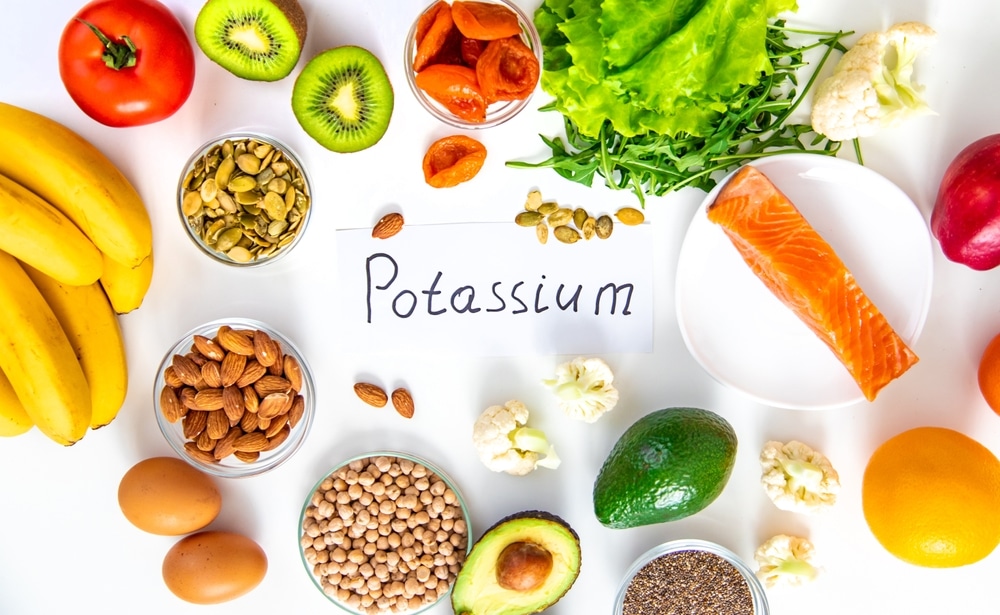
Many wholesome foods are rich in potassium, but prioritization is key. Notable sources include:
- Potatoes and sweet potatoes
- Avocados
- White beans
- Coconut water
- Leafy greens like spinach
- Citrus fruits and melons
- Squash
- Tomatoes
- Salmon
- Beets
- Kiwi
- Pomegranate
Although bananas receive ample accolades, they contain less potassium than many foods listed above. I intentionally include potassium-rich items in my seasonal meals. In warmer months, I crave fresh hydrating foods like fruit and coconut water, particularly after workouts. In cooler weather, I lean toward root vegetables and hearty meals. Increasing these foods consistently has notably improved my energy and hydration levels.
Considerations for Potassium Supplements
While I emphasize whole food sources, I also incorporate a potassium supplement. However, caution is essential.
Most people can increase magnesium and sodium without much risk. However, potassium levels can fluctuate quickly, and excess amounts can be harmful. Symptoms of overdose can include muscle weakness, heart palpitations, and even serious heart complications.
Over-the-counter potassium supplements contain controlled doses, but since potassium influences heart rhythm, maintaining balance is crucial.
I advocate starting with food to increase intake and use LMNT electrolytes as necessary for a well-rounded mineral balance. If additional potassium is needed, a supplement can be beneficial, but individual needs vary, and listening to your body is critical.
Potassium in the Context of the “Electrical Body”
I often return to the concept of the body as fundamentally electrical. Minerals are not merely nutrients; they also create the electrical environment for cell communication.
Potassium plays a significant role in maintaining a stable electrical environment. Proper potassium levels lead to steady energy, calmer nervous signals, stable blood sugar, smooth muscle operation, and balanced hydration. When levels drop, we often feel overstimulated but drained at the same time.
This is a core reason why many experience significant improvements once mineral deficiencies are addressed. What may feel like chronic stress or fatigue often relates to the struggle for electrical balance at the cellular level.
Reflecting on the Importance of Potassium
As I explore mineral health further, my belief solidifies that potassium is among the most underrated nutrients in modern wellness. From the nervous system to hormones, digestion, blood sugar, and energy production, potassium’s influence spans nearly every bodily function. Yet, many individuals consume far less than necessary, particularly in our fast-paced, processed world.
For me, focusing on potassium alongside sodium and magnesium has been one of the most significant foundational health changes I’ve made. I’ve felt calmer, more energized, and more resilient overall. While potassium isn’t a simple solution, our bodies operate much better when supplied with the minerals they require.
How do you ensure adequate potassium in your diet? What strategies have you found effective? Share your thoughts in the comments!