




















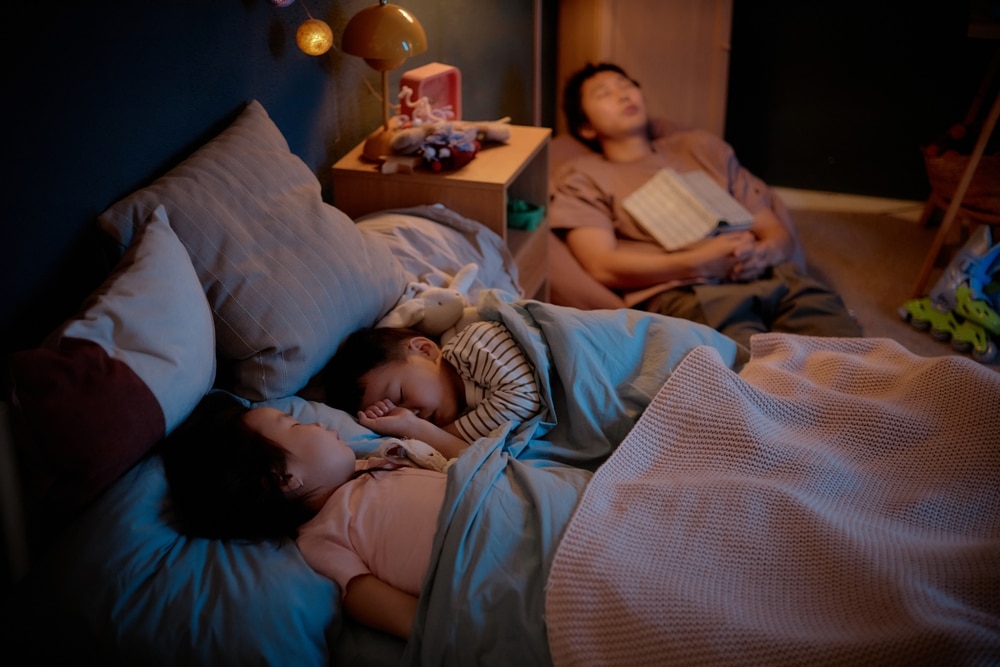
Many parents are intimately familiar with the blue glow of a baby monitor at 3:00 a.m. Even when the house is silent and the children are sound asleep, there is a persistent internal pull to check the screen, zoom in on a sleeping face, or listen intently for the sound of breathing. This state of high alert is a common experience, particularly for mothers, whose biological wiring often keeps them attuned to their child’s needs around the clock. However, remaining in a state of perpetual vigilance can lead to a cycle of fragmented sleep, heightened anxiety, and physical exhaustion before the day has even begun.
Creating a Secure Sleep Environment for Greater Confidence
It is difficult to quiet a racing mind if there are lingering doubts about the safety of the sleep environment. The first step in reducing nighttime hyper-vigilance is ensuring that the physical setup is as secure as possible. For infants, this means adhering to established safe sleep practices: placing the baby on their back on a firm, flat surface that is free of loose blankets, pillows, or toys. When these foundational safety measures are met, it becomes easier to rationalize with yourself when the urge to check the monitor strikes. For some, room-sharing during the early months provides an added layer of comfort, as long as the child has their own dedicated sleep space. When you know the environment is safe, you can rely more on logic and less on the “what-if” scenarios that fuel nighttime wakefulness.
Developing a Nighttime Transition Plan for Parents
Parents often dedicate significant energy to perfecting their child’s bedtime routine while completely neglecting their own. If your body remains in “active parenting mode” right until your head hits the pillow, it will be difficult to settle into a deep sleep. To shift out of a high-alert state, you need clear signals that your responsibilities for the day have concluded. This transition might involve dimming the lights in the evening, stepping away from digital screens—which often deliver stressful or overstimulating content—and engaging in calming activities. Simple habits, such as journaling to clear your mind of tomorrow’s to-do list, enjoying a warm beverage, or using gentle relaxation aids, can help signal to your nervous system that it is safe to rest. Avoiding the temptation to scroll through parenting forums late at night is also crucial, as these can often amplify existing anxieties.
Setting Boundaries with Baby Monitoring Technology
While modern technology offers incredible peace of mind, it can also become a source of fixation. Video monitors and wearable tracking devices provide valuable data, allowing you to check on your child without physically entering the room and risking a wake-up. However, there is a fine line between using a monitor for reassurance and using it for constant surveillance. Staring at the screen for extended periods or reacting to every minor toss and turn can keep your brain in a state of light, unproductive sleep. To find a healthier balance, try to view the monitor as a tool for occasional confirmation rather than a continuous livestream. Recognizing that technology can sometimes produce false alarms or unnecessary stress is key to maintaining a healthy relationship with nighttime monitoring.
Transitioning away from a state of constant nighttime alert is a process that requires both practical preparation and mental shifts. By establishing a safe environment, prioritizing your own wind-down routine, and using technology mindfully, you can begin to reclaim the rest you need. While the instinct to protect your child is natural, remember that getting quality sleep is essential for your own well-being and your ability to show up as a present, energized parent during the day.