















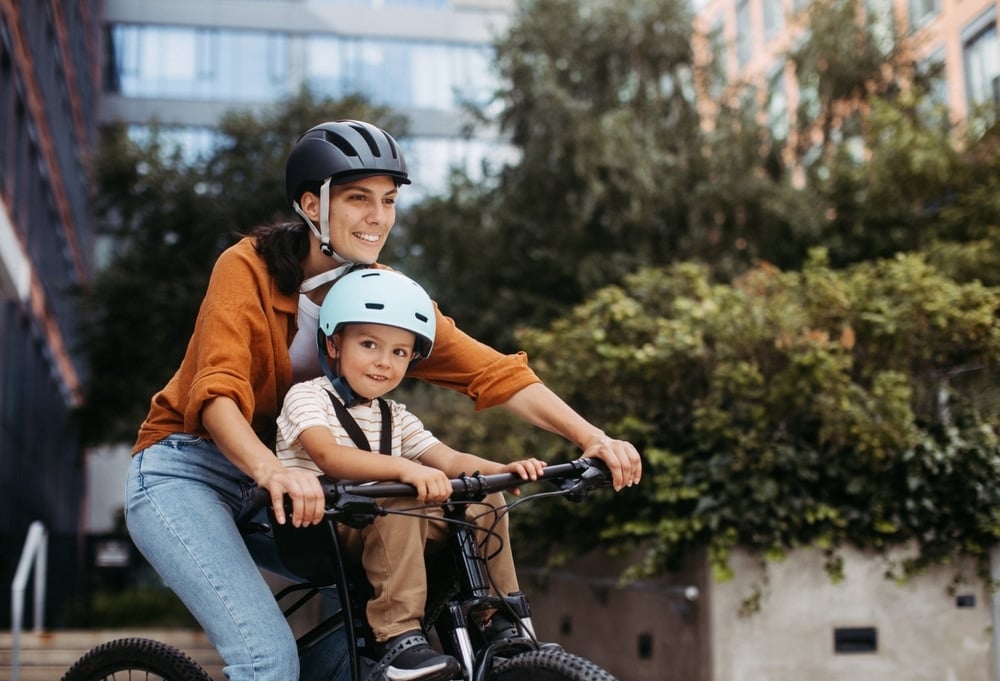
Teaching a child to ride a bicycle is a major milestone, but the traditional method of using training wheels often slows down the process. The most effective way to help a child master this skill is by prioritizing balance over pedaling. By following a structured approach, many children can learn to ride confidently in a very short amount of time—sometimes even in a single afternoon. The key is to maintain a patient, encouraging atmosphere while progressing at a pace that feels secure for your young rider.
This “balance-first” methodology is championed by cycling experts, including Oliver Carbonell, a volunteer instructor with Bike New York and author of “Peter Learns to Ride His Bicycle.” This approach simplifies the learning curve by breaking the complex coordination of cycling into manageable stages, ensuring that the child feels in control every step of the way.
Proven Strategies for Teaching Your Child to Ride
Success in cycling comes down to preparation and practice. By stripping away the distractions of pedals and training wheels initially, you allow the child’s brain to focus on the most difficult part of riding: staying upright. Here are five essential steps to guide your child through the process.
Selecting a Safe and Effective Practice Area
The environment plays a significant role in a child’s confidence. Look for a wide, paved area that is away from motor vehicles and heavy foot traffic. A flat section of a local park or an empty, level parking lot is ideal. A very slight downward slope can actually be helpful later on to provide a bit of natural momentum. Before starting, ensure your child is wearing a certified helmet that fits snugly and is securely buckled under the chin.
Adjusting the Bicycle for Success
To turn a standard bicycle into a temporary “balance bike,” follow these simple adjustments:
- Detach the pedals: This allows the child to move their legs freely without hitting the cranks.
- Remove training wheels: These often prevent children from learning the true feel of a leaning bike.
- Lower the saddle: Adjust the seat height so the child can sit comfortably with both feet flat on the ground and a slight bend in their knees.
If your child is already using a dedicated balance bike (also known as a run bike), these mechanical adjustments won’t be necessary, as these bikes are pre-designed for this specific learning phase.
Building Confidence Through Balancing
The core of this method is teaching the child how the bike reacts to their body weight. Have the student sit on the bike and grip the handlebars firmly. If the bike features handbrakes, demonstrate how to squeeze them, though most beginners will instinctively use their feet to stop during this phase.
Encourage the child to “walk” the bike while seated, taking long strides to propel themselves forward while looking straight ahead rather than at their feet. As they gain speed, they will naturally begin to lift their feet for short intervals, gliding through the air. This gliding motion is the foundation of balance. Once they can coast for several yards with their feet up, they have mastered the hardest part of cycling.
Expert Tips for Balance Training:
- Avoid holding onto the bike or the child. Let them find their own center of gravity so they don’t become dependent on your physical support.
- Keep the mood light and celebratory. Positive reinforcement goes a long way in overcoming the fear of falling.
- Respect their timeline. Some children find their balance in thirty minutes, while others may need several sessions to feel secure.
Integrating the Pedaling Motion
Once balancing is second nature, it is time to reinstall the pedals. Position the cranks so they are parallel to the ground. Instruct the child to push off with both feet to get a little bit of momentum—just as they did during the balance phase—and then place their feet on the pedals and begin a circular motion.
Remind them to keep their eyes on the path ahead, as the bike will naturally follow their gaze. Most children who have mastered balancing will pick up pedaling very quickly. If they struggle, don’t hesitate to take the pedals back off for another round of balance practice to rebuild their confidence.
Refining Control: Steering and Braking
Safety depends on the ability to stop and turn effectively. There are two primary types of brakes: coaster brakes (activated by pedaling backward) and hand brakes. If using hand brakes, teach the child that the front brake has the most stopping power but should be used gently to avoid tipping forward. For the smoothest stop, they should apply the rear brake first, followed by the front, while remaining seated.
Steering is also a progressive skill. At slower speeds, the child will need to physically turn the handlebars in the direction they want to go. As they gain speed, steering becomes more about a subtle lean. Start by having them practice wide, easy turns in a large open space before moving on to tighter maneuvers or navigating around obstacles.
Summary of the Learning Journey
Teaching a child to ride a bike is an investment in their independence and physical health. Success starts with the right equipment: a bike that allows the child to touch the ground easily and proper safety gear, including a well-fitted helmet and optional pads. By focusing on the “scoot and glide” method to develop balance first, you remove the frustration often associated with training wheels.
As your child transitions to pedaling, continue to provide verbal encouragement and stay close by to offer a steadying hand on their shoulder if they feel nervous. Once they are riding independently, take the time to review basic road safety and trail etiquette. With these steps, you are not just teaching a child how to ride; you are helping them build the confidence to explore their world on two wheels.