


















In recent years, I’ve explored the world of tallow, and I know many of you have too. My whipped tallow balm has become a beloved choice, renowned for its silky texture on the skin. One of the most common questions I receive is about how to incorporate honey into this recipe. This honey tallow balm demonstrates just that.
I’ve included additional ingredients known for their ability to clear skin and reduce blemishes.
When it comes to skincare, I’ve discovered that simplicity often yields the best results. While there are numerous products aimed at tackling blemishes and improving skin clarity, many contain harsh ingredients that I’d prefer to avoid. Instead, I turn to traditional ingredients that have stood the test of time.
Ingredients for Honey Tallow Balm
This honey tallow balm brings together several nourishing components into one straightforward recipe. It focuses on maintaining the skin barrier while promoting a clearer complexion. Instead of stripping the skin or trying to control it, this balm provides what skin truly needs. The tallow honey balm hydrates and supplies beneficial compounds, allowing skin to function optimally.
Tallow
Grass-fed beef tallow serves as one of the standout ingredients in this recipe. Tallow’s fatty acid profile closely mirrors that of our skin’s natural oils. This allows it to penetrate the skin effectively, helping restore our moisture barrier.
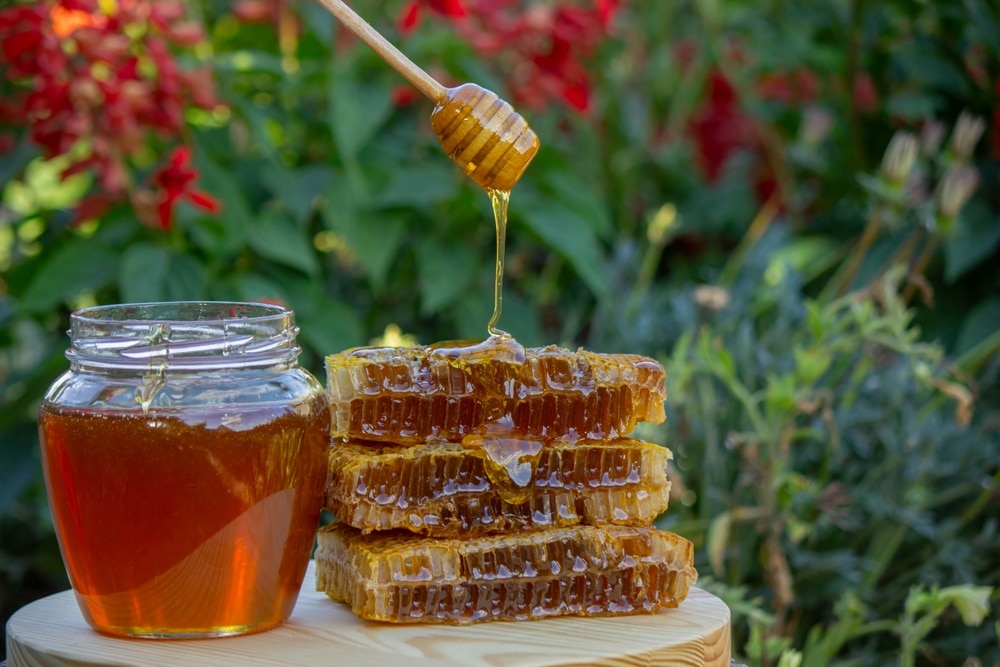
Raw Honey
Raw honey has a rich history in natural skincare. Bursting with beneficial compounds, it helps skin maintain a healthy, smooth appearance. Acting as a humectant, it attracts and retains moisture, making it especially valuable for irritated, dry, or unbalanced skin. I also appreciate raw honey for its properties against acne and blemishes, thanks to its natural antimicrobial effects.
Beeswax
Beeswax not only thickens the balm but also creates a breathable protective barrier on the skin. While some creams use petroleum jelly to lock in moisture, these can feel heavy and lack nutritional benefits. Beeswax, on the other hand, retains moisture while allowing the skin to breathe.
Tamanu Oil
In my original tallow balm recipe, I use olive oil as a carrier. Rich in healthy fats and anti-inflammatory Omega-3s, olive oil is great. However, in this version, I’ve chosen tamanu oil.
Skincare experts recognize tamanu oil’s ability to aid skin healing and recovery. It is beneficial for improving the look of blemished and damaged skin and can reduce redness and inflammation. This makes it one of my preferred oils for blemish-prone skin.
Essential Oils
These are optional but offer additional skin benefits along with a pleasant aroma. I often add tea tree essential oil, which is effective yet gentle against blemishes. Its antifungal properties and skin-cleansing abilities make it a great choice.
Sweet or wild orange essential oil is another favorite of mine. It adds a cheerful scent and helps enhance the skin’s appearance. Other skin-friendly options like lavender, geranium, frankincense, and cedarwood also work wonderfully.
Advantages of Honey Tallow Balm
Finding a product that addresses multiple skincare issues simultaneously is always a win for me. This honey tallow balm not only targets blemishes but also enhances overall skin health.
Many people inadvertently harm their skin barrier through excessive cleansing, abrasive treatments, or vigorous exfoliation. Such actions can lead to irritation, dryness, and breakouts. Ingredients like tallow, honey, and tamanu oil nourish and protect the skin while preserving moisture balance.
This balm can soothe redness, promote healing from blemishes, and keep skin soft and hydrated. Packed with nutrient-rich fats, it’s effective for rough, dry, or irritated skin. Overall, the honey tallow balm encourages a balanced complexion.
Applying Honey Tallow Balm
A small amount of this balm goes a long way. I recommend applying a thin layer to clean skin. If you’re integrating it into your skincare routine, do so post-cleansing and toning. Your body heat will soften the balm, allowing it to glide smoothly.
I use it on my face for moisturization and on any area needing extra care. It can also serve as a spot treatment for blemishes and redness. If it leaves your skin looking greasy, then too much was used.
How to Render Tallow and Common Questions
I provide insight on rendering tallow without the hamburger scent in another post. You can also find answers to many tallow balm-making questions and tips there. Don’t miss out on that information.
Honey Tallow Balm Recipe
This straightforward honey tallow balm uses pure ingredients for a nourishing and hydrating lotion. It helps skin feel smoother while reducing blemishes.
Yield: 5 ounces
- Add tallow and beeswax to the top of a double boiler, melting them over low heat.
- Once liquid, add the tamanu or other carrier oil, essential oils, and honey, and stir.
- Pour into a mixing bowl and chill in the fridge until it hardens slightly but not completely.
- Use a mixer to whip the balm until it has a smooth, fluffy consistency.
- Transfer the whipped balm into glass jars for storage.
- Store the honey tallow balm in a cool, dry location.
- Honey may separate as the balm cools. Stirring during the cooling process helps prevent this.
A Straightforward Approach to Skincare
Effective skincare often revolves around simple, clean ingredients. Focusing on nourishing the skin barrier and using quality components significantly contributes to skin health.
This honey tallow balm exemplifies a recipe that merges traditional ingredients with contemporary skincare wisdom. It’s easy to prepare, requires only a few components, and makes an excellent addition to any natural skincare regimen for those wanting clearer, healthier skin.
It’s uncomplicated, effective, and has rightfully earned a spot on my countertop.
Have you tried tallow before? I’d love to hear your thoughts in the comments below.