

















As winter subsides and spring arrives, many of us find ourselves eager to return to our gardens and yards. Living in a warmer climate, I have the advantage of enjoying outdoor activities year-round, yet spring remains a pivotal time for garden preparation. Here’s my comprehensive to-do list for the spring season to ensure that my garden thrives come summer and beyond.
It’s important to recognize that gardening practices can vary greatly based on your climate. However, there are universal tasks beneficial to tackling before planting season kicks into high gear. Cleaning the yard, checking equipment, and preparing the soil should top your list regardless of your location.
Spring Gardening Planning
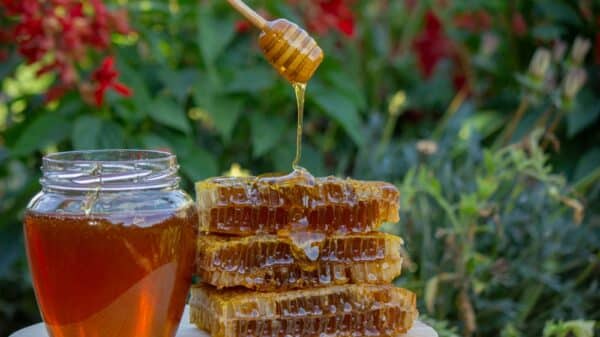
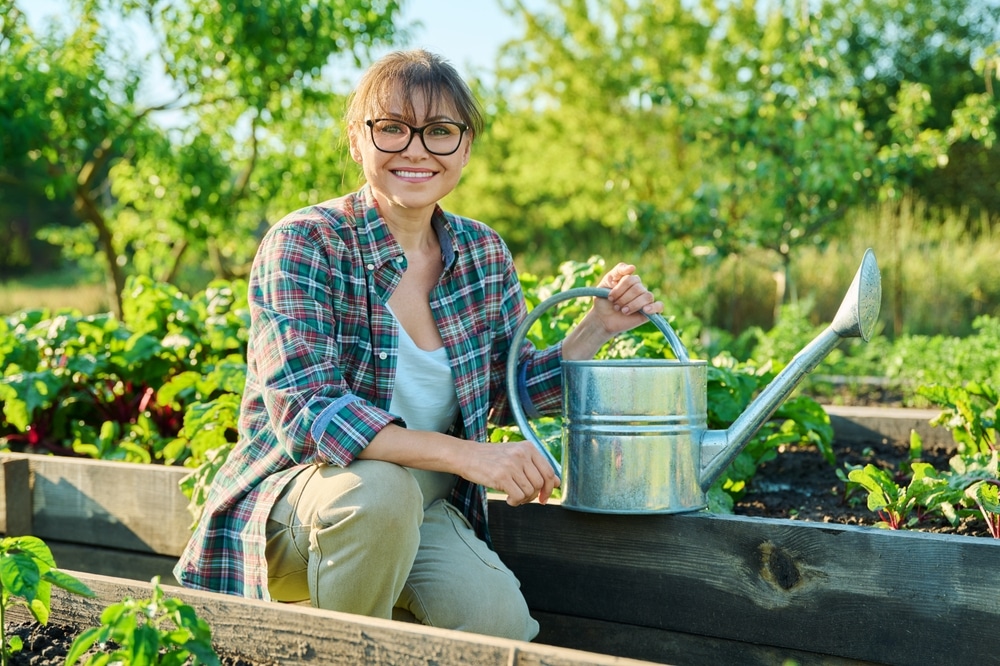
Having cultivated a diverse range of vegetables for years, my garden reflects both my dedication and evolution as a gardener. I also engage in beekeeping and have embraced the joys of raising ducks and chickens. My garden is filled with herbs and flowers, all adding to the vibrant ecosystem I am nurturing.
The first essential step in gardening is planning. Understanding your USDA plant hardiness zone can inform you of the last and first frost dates in your area. Those of us blessed with milder climates may have the opportunity for multiple growth cycles throughout the year, unlike those in colder climates that may have limited gardening seasons.
A Garden Planner
A garden planner or journal can be instrumental in making your gardening journey smoother. Whether you prefer digital apps or the tactile feel of pencil on paper, documenting your plans can help you reflect on what worked and what fell short in the previous year. Consider what changes you’d like to implement or additional varieties you want to experiment with.
It’s exciting to think big, but it’s also crucial to remain realistic about what your space can accommodate. For instance, planting numerous tomato plants in a limited area is counterproductive. Additionally, understanding each plant’s spacing needs will foster healthier growth and yield. I favor garden planning tools that assist in crop rotation and companion planting as viable strategies to enhance soil quality and prevent nutrient depletion.
Seed Starting
Once you have your planting schedule and strategies in place, it’s time to begin seed starting. Be mindful that some plants prefer warm weather, necessitating late spring or early summer planting, while others thrive in cooler temperatures—such as peas, lettuce, and root vegetables.
Many crops can be directly seeded into the soil, while others may fare better if started indoors before being transplanted outside. A detailed seed-starting guide can simplify this phase and improve your garden’s success rate.
Soil Testing
While soil testing isn’t mandatory, it can yield critical insights into any nutrient deficiencies. Local universities often offer soil testing services that reveal the composition, pH levels, and nutrient availability in your soil. Knowing this information can be the key to transforming your garden from mediocre to flourishing.
Employing practices such as crop rotation and companion planting can also help to maintain soil health and vitality.
Add Compost
Spring is an excellent opportunity to enhance your soil with compost, enriching your garden beds for the upcoming growing season. By applying a layer of compost, typically 2-4 inches thick, you can bolster nutrients and improve soil structure. If your soil is heavy in clay, breaking it up beforehand will allow for better compost integration.
Incorporating compost can be easily achieved with basic tools like a hoe or garden rake. If new to composting, various resources can guide you through the process and even show you how to make nutritious compost tea.
Snip, Snip, Trim
If you missed the opportunity to prune shrubs and trees in the fall, spring presents another chance. Proper pruning removes dead parts of plants, allowing for vigorous new growth. Here are some common tasks to undertake:
- Remove dead or damaged branches.
- Prune flowering shrubs lightly, focusing on the tops.
- Trim back any overgrown foliage.
Clearing away dead growth from perennials can also promote healthier plants as they enter their growth phase. Be wary of pruning spring-blooming plants, like forsythia, as this may hinder flower production later in the season.
It’s equally important to tidy your gardening space. Organizing your garden shed, cleaning tools, and restocking supplies ensures you’re well-prepared. Assess whether you have the right tools for your gardening setup, as less may often be more when it comes to efficiency.
Weed and Mulch
While many plants deemed weeds can be beneficial—including dandelion and plantain—clearing them from your vegetable plots is essential. Spring is prime time to address weeds, especially when the soil is moist and they’re easier to pull.
Laying a thick layer of mulch can help prevent future weed growth. Plant smaller transplants first if you’re looking to maintain aesthetic appeal while mulching, as this allows easier access for plants to thrive.
Hold Up on Cleanup
Timing your cleanup is crucial—excess leaf litter should remain in your garden until beneficial insects and pollinators can safely emerge. The Xerces Society for Invertebrate Conservation emphasizes the importance of maintaining last year’s leaf cover for protection from late frosts and as a habitat for butterflies.
Cleanup duty should ideally occur late spring or early summer, depending on your local climate conditions.
Maintaining Garden Areas
Beyond your garden beds, pathways and surrounding areas also need upkeep. Check for any damaged pavers, excess weeds in walkways, or areas needing additional mulch. If you have raised beds or containers, inspect them for necessary repairs as well, and consider adding cold frames to extend your growing season.
Perennials and Cuttings
Spring is the perfect time to divide perennial plants to rejuvenate and stimulate growth. When perennials have been in the same place for an extended period, their growth can stagnate. Splitting them allows for healthier plants and more abundant flowers.
Now is also a good time to plant bare root cuttings like elderberry. Spring marks a favorable period for planting trees, shrubs, and other perennials, given the ground is no longer frozen.
Helping the Garden Friends
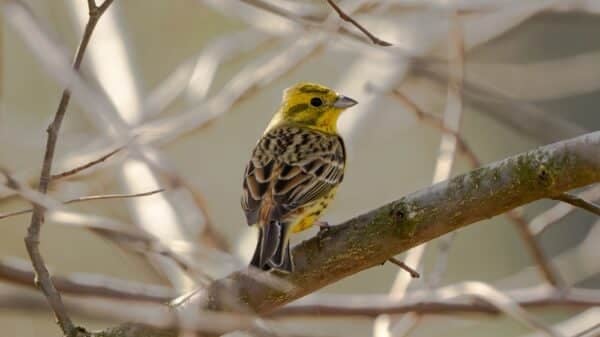
A productive garden thrives with the help of beneficial insects and pollinators. Rather than viewing these creatures as adversaries, we should appreciate their roles in our ecosystem. Whether you’re fostering bees or supporting birds, there are many ways to encourage these allies.
Consider building a simple bee hotel, setting up birdhouses and feeders, and maintaining a butterfly garden to invite a variety of helpful wildlife into your space.
Preparing For a Spring Garden
This extensive checklist might seem daunting, but it’s crucial to approach it at your own pace. My gardening journey has evolved, just as my life circumstances have. Sometimes I’ve cultivated large vegetable gardens, and other times, I’ve focused more on flowers and herbs.
Trust your instincts and remain flexible in how and when you achieve your garden goals. I hope this guidance lays a foundation for your gardening success this spring!
How do you prepare your garden in the spring? What strategies or insight would you like to share? Please leave a comment below!