




















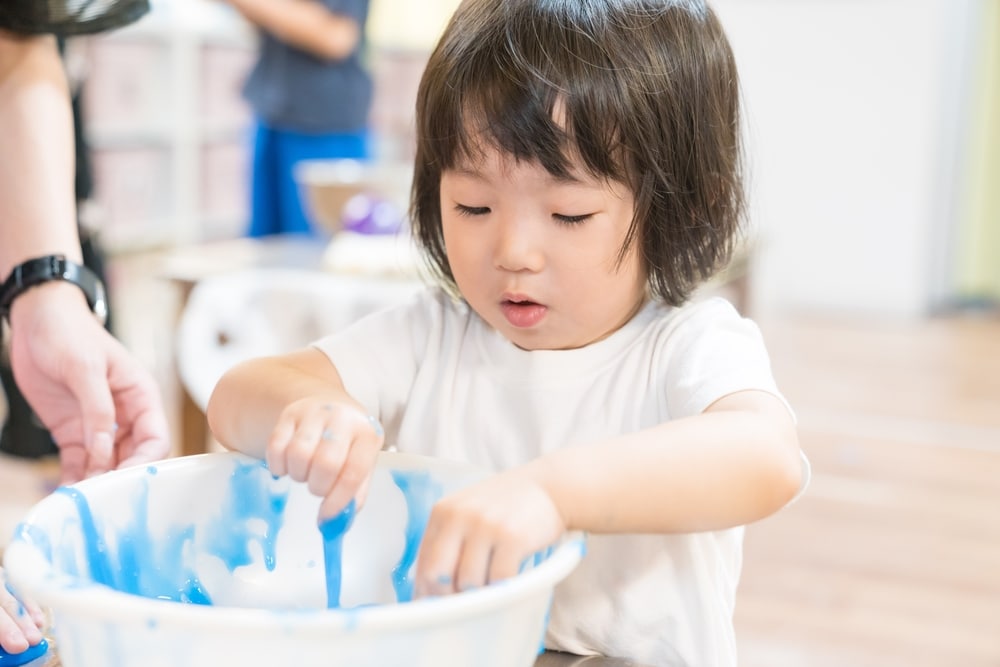
One of the most vital roles a parent fulfills is guiding a child toward self-sufficiency. While the journey to full independence spans many years, the foundation is laid during the toddler phase. Fortunately, this is a developmentally prime time to start, as young children naturally crave autonomy and take great pride in mastering new abilities. By shifting your approach and providing the right environment, you can nurture this drive and help your toddler gain confidence in their own capabilities.
Effective Strategies for Fostering Self-Reliance in Toddlers
Encouraging independence often requires a shift in the parental mindset. In a busy household, it is frequently faster and less messy for a parent to do things themselves. However, allowing your child the time to struggle through a task—whether it is putting on a shoe or clearing a plate—is essential for their growth. Instead of intervening with a “let me do that,” try to step back and provide the space they need to explore. Recognizing their effort and persistence is just as important as the completion of the task itself.
Introducing New Skills on a Weekly Basis
Toddlers are keen observers who constantly mimic the adults in their lives. You can leverage this natural curiosity by introducing one “grown-up” skill each week. Start with simple household contributions, such as showing them how to place toys in a bin or move laundry to a basket. This consistent focus transforms chores into exciting milestones of responsibility.
It is often most effective to let your child’s interests guide which skills to teach. If they show a sudden desire to help set the dinner table or attempt to pull on their own socks, use that momentum as a teaching moment. Once they have mastered a basic task, look for ways to integrate it into their daily routine so it becomes a permanent part of their self-care repertoire.
The Power of Offering Structured Choices
Independence is rooted in the ability to make decisions and understand their outcomes. For a toddler, having a say in their daily life prevents them from feeling like passive participants. By offering two or three pre-approved options—such as which book to read or which shirt to wear—you help them develop critical thinking skills and a sense of agency.
Providing choices is also a powerful tool for managing strong-willed children. When a child feels they are being ordered around, they may resist simply to assert their autonomy. Offering a choice within a boundary—for example, “Would you like to walk to the car yourself or have me carry you?”—allows the child to feel in control while ensuring the necessary task is completed safely.
Providing Guidance Without Over-Functioning
The impulse to jump in and “fix” things when a child struggles is a common parental reflex. However, over-functioning can inadvertently teach a child that they aren’t capable. When your toddler encounters a challenge, try offering verbal cues or small tips rather than taking over. This approach encourages problem-solving and ensures the child still feels the satisfaction of completing the task on their own.
Aligning Tasks with Developmental Milestones
For independence to be rewarding, the tasks must be achievable. A two-year-old’s fine motor skills differ significantly from those of a five-year-old, so it is important to tailor your expectations. If a task is too difficult, it may lead to frustration rather than growth. When a child shows interest in a new activity, evaluate if they have the physical coordination required, and always offer positive reinforcement for their hard work, regardless of the perfect execution.
Creating Ownership Through Personal Belongings
Assigning ownership over specific items is a practical way to teach responsibility. When a child has their own dedicated items—such as a specific set of kid-safe dishes—they are more likely to take pride in caring for them. You might encourage them to help rinse their own plate after a meal. Even if you need to provide a quick follow-up cleaning, the act of participating teaches them that they are responsible for their own impact on the household.
Practical Activities to Promote Independence
Incorporating specific activities into your daily life can help bridge the gap between childhood dependence and toddler autonomy. These exercises focus on self-care and emotional regulation.
Developing Dressing Skills
Learning to dress is a major milestone in a toddler’s journey. While their outfits might not always match or be perfectly aligned, allowing them to choose and put on their own clothes fosters creativity and physical coordination. Start on days when you aren’t in a rush so they can practice without pressure.
- Selecting a daily outfit from a few options.
- Identifying the front and back of garments.
- Learning to put on underwear and socks.
- Practicing with easy-to-wear shoes and eventually learning to tie laces.
Fostering Personal Hygiene Habits
Hygiene routines are excellent opportunities for toddlers to learn about body ownership. While parents still need to supervise and provide the “final check” for cleanliness, letting the child lead the process builds important lifelong habits.
- Washing hands independently before meals.
- Attempting to brush their own hair with a soft brush.
- Practicing tooth brushing (with parental follow-up).
- Using a washcloth to clean their own face.
Cultivating Self-Soothing and Emotional Regulation
Independence isn’t just about physical tasks; it’s also about managing emotions. When a toddler feels overwhelmed, teaching them how to regain their composure is a vital skill. Guiding them toward tools that help them “reset” allows them to navigate frustrations more effectively.
- Practicing deep breathing exercises.
- Counting slowly to ten during moments of frustration.
- Using a “comfort item,” like a stuffed animal, for emotional support.
- Engaging in quiet activities like coloring or looking at a book to calm down.
Encouraging the Habit of Independent Play
Play is the primary way toddlers process the world. While interactive play with parents is essential for bonding, solo play helps develop self-reliance, imagination, and problem-solving. To encourage this, ensure the play environment is safe and stocked with open-ended, age-appropriate toys that don’t require constant adult intervention.
Try to designate periods of the day for “free play” where there is no set goal. During this time, remain nearby for safety but resist the urge to direct their activity. When a child engages in play without being prompted, it builds their ability to entertain themselves and think creatively.
Recommended Independent Play Activities:
- Working on simple wooden puzzles.
- Stacking and building with blocks.
- Engaging in “pretend” activities, like a play kitchen or a tea party.
- Creative expression with crayons and paper.
- Exploring the possibilities of empty cardboard boxes.
Final Thoughts on Toddler Independence
Watching a child grow can be a bittersweet experience, but equipping them with the tools for self-sufficiency is a parent’s greatest gift. While the toddler years can feel like a whirlwind, it is never too early to start fostering autonomy. By providing a supportive environment, offering structured choices, and allowing room for exploration, you help your child build the confidence they need to navigate the world. Often, the best way to encourage growth is simply to provide the guidance they need and then step back to watch them succeed.