




















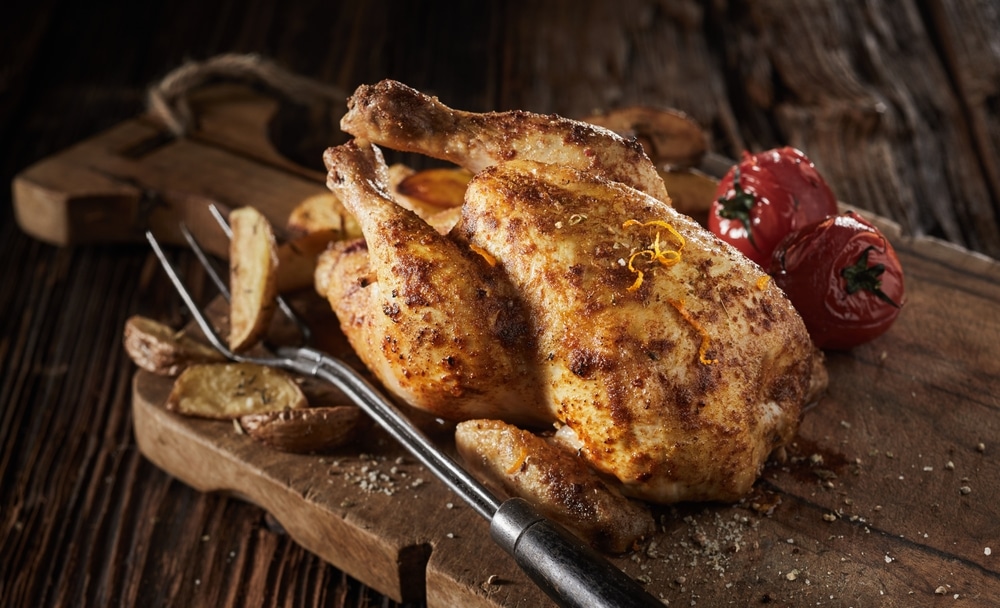
Roasting a whole chicken is often viewed as an intimidating culinary feat, yet it is one of the most straightforward and rewarding skills a home cook can master. Once you move past the initial hesitation, you will find that this method produces incredibly tender meat and the kind of golden, crispy skin that makes it an instant family favorite. This approach focuses on simplicity, requiring no specialized equipment or complex ingredients to achieve a gourmet result.
Mastering the Perfect Roasted Chicken
The secret to a successful roast doesn’t necessarily lie in high-tech gadgets, though a basic meat thermometer is a helpful tool for precision. If you don’t have one, you can still produce a perfectly cooked bird by following traditional cues. This recipe is designed to be accessible, relying on high heat and minimal prep to let the natural flavors of the chicken shine through.
One of the most effective strategies for ensuring juicy meat is starting with a dry bird and a hot environment. By focusing on moisture control and temperature, you can create a centerpiece dish that works just as well for a formal Sunday dinner as it does for meal-prepping protein for the week ahead.
Essential Preparation for Roasting
Begin by removing the chicken from its packaging and clearing the cavity. You will typically find a small bag containing the giblets; these can be discarded or saved to add depth to a homemade gravy.
A crucial step for achieving that coveted crispy skin is to preheat your oven to 425°F with your cooking vessel already inside. A heavy cast-iron skillet or a sturdy metal roasting pan is ideal for this. Avoid using glass or ceramic dishes, as the intense heat could cause them to shatter. Preheating the pan allows the bottom of the chicken to begin searing immediately, which helps the dark meat cook more evenly with the white meat.
Before the chicken goes into the oven, rinse it and use paper towels to pat the skin completely dry. Any residual moisture will create steam, preventing the skin from becoming crisp. Once dry, coat the bird thoroughly with olive oil and season generously. While you can experiment with garlic powder, lemon pepper, or fresh herbs, a simple combination of salt and black pepper is often all you need for a spectacular flavor profile.
While some recipes suggest tying the legs with kitchen twine (trussing) or stuffing the cavity with aromatics like halved lemons, these steps are optional. The chicken will roast beautifully even without these extra measures.
Cooking Times and Doneness Indicators
Place the chicken in the hot pan breast-side up. This orientation is strategic; because the breast meat cooks faster than the thighs and legs, the preheated pan gives the darker meat a necessary head start. For a more even airflow, you may also choose to set the bird on a roasting rack within the pan.
As a general rule, plan for approximately 15 minutes of roasting time per pound at 425°F. For a standard six-pound chicken, this usually takes about 80 to 90 minutes, though it is wise to begin checking for doneness around the 70-minute mark.
If you are using a meat thermometer, the USDA recommends an internal temperature of 165°F. Insert the probe into the thickest part of the thigh or the deepest part of the breast, ensuring you do not hit the bone. If you are cooking without a thermometer, use these reliable tests:
- The Wiggle Test: Using a protective oven mitt, gently move the leg bone. If it feels loose and moves freely as if it could easily detach, the chicken is likely done.
- The Juice Test: Pierce the meat with a knife or fork. If the juices that run out are completely clear rather than pink or cloudy, the bird is ready.
The Importance of Resting the Meat
Patience is key once the chicken leaves the oven. It is important to note that seeing a slight pink tint near the bone is not always a sign of undercooking; in younger chickens, this is often due to natural hemoglobin and is perfectly safe as long as the meat has reached 165°F and the texture is firm rather than rubbery.
Cover the chicken loosely with a piece of aluminum foil and let it rest for at least 10 to 15 minutes before carving. This rest period allows the internal juices to settle back into the fibers of the meat. If you cut into it too soon, those juices will escape, leaving the chicken dry. Proper resting ensures every bite remains moist and flavorful.
Crispy Skin Roasted Chicken Recipe
This reliable method delivers a versatile main dish that can be served immediately or shredded for use in tacos, salads, or casseroles.
Ingredients:
- 1 whole chicken (approximately 6 lbs)
- 3 tablespoons olive oil
- 2 teaspoons salt
- 2 teaspoons ground black pepper
- 1 teaspoon garlic powder (optional)
Instructions:
- Preheat your oven to 425°F. Place a cast-iron skillet or metal roasting pan inside the oven while it heats.
- Prepare the chicken by removing the giblets. Rinse the bird and use paper towels to pat the skin until it is thoroughly dry.
- Apply half of the olive oil and seasonings to one side of the chicken, rubbing it into the skin. Flip the bird and repeat on the other side.
- Carefully place the chicken breast-side up into the hot, preheated pan.
- Roast for about 15 minutes per pound. Begin testing for an internal temperature of 165°F about 10-15 minutes before the estimated finish time.
- Remove from the oven and let the chicken rest under foil for 15 minutes before serving.
Nutrition Overview (Per Serving):
This recipe yields approximately 6 servings. Each serving contains roughly 726 calories, 57g of protein, and 53g of fat. It is a high-protein, low-carbohydrate option that provides essential nutrients like Iron and Vitamin A.
Whether you are preparing a formal dinner or simply need a reliable protein for the week’s meals, mastering the oven-roasted chicken is a practical and satisfying skill. By following these simple steps—focusing on a dry skin and a hot pan—you can consistently produce a high-quality meal that far surpasses store-bought alternatives. The combination of juicy, tender meat and perfectly seasoned crispy skin makes this a foundational recipe for any home kitchen.