




















For a long time, I operated under the assumption that “healthy” meant avoiding the salt shaker. Like many parents striving to set a good example for their families, I focused on a diet of whole, unprocessed foods and drank gallons of plain water. I thought I was doing everything right, yet I felt perpetually depleted. My energy levels were erratic, my digestion felt “stuck,” and no matter how much I slept, the midday slump was inevitable.
It wasn’t until I pivoted my focus toward mineral balance—and specifically the role of sodium—that the fog finally lifted. In the parenting world, we are often warned about the dangers of salt, but we rarely talk about the biological necessity of it. What I discovered was that for active individuals, especially those of us balancing the physical demands of raising children, the standard advice to restrict sodium might actually be working against our health.
Sodium isn’t just a seasoning; it is a fundamental spark plug for the human body. It dictates how our cells communicate, how our hearts beat, and even how our nervous systems perceive safety.
Sodium: and Why Our Cells Crave it
We often hear the term “electrolytes” in the context of colorful sports drinks, but their role is far more sophisticated. Electrolytes are minerals that carry an electric charge. Because the human body is essentially an intricate electrical grid, these charges are what allow for the transmission of signals between nerves and muscles.
Sodium is the primary conductor of this system. When it dissolves in our bodily fluids, it carries the positive charge necessary for electricity to flow. Every thought you have and every time you pick up a toddler, your body is utilizing sodium to bridge the gap between intent and action. Without enough of it, the “wiring” in your body becomes less efficient, which is why a deficiency often manifests as physical and mental lethargy.
Modern research emphasizes that sodium and potassium ions are in a constant state of movement across our cell membranes. This isn’t a passive process; it is the very pulse of life at a microscopic level. For parents, this means that maintaining mineral levels is a prerequisite for the high-level cognitive and physical multitasking we do every day.
Sodium For Cell Power
To truly appreciate sodium, we have to look at the “Sodium-Potassium Pump.” This is a specialized mechanism found in the membrane of every cell in your body. Its job is to move sodium out of the cell and pull potassium in, creating an electrical gradient.
This process is so vital that it consumes a massive portion of our daily energy. In fact, it is estimated that the brain uses nearly half of its energy just to keep these pumps running. When we are low on sodium, our cells struggle to maintain this gradient, leading to a dip in ATP (cellular energy) production.
Not Getting Enough
When our bodies sense an energy shortage, they begin to triage. Non-essential functions—or those the body deems less critical for immediate survival—get pushed to the back burner. This is why many people who are salt-depleted experience a “shut down” in certain systems.
Common signs that your sodium levels are insufficient include:
- Inefficient Signaling: Feeling “slow” or having a delayed reaction time.
- Fluid Imbalance: Feeling puffy or bloated despite drinking water.
- Cognitive Fatigue: That “brain fog” that makes it hard to focus on simple tasks.
- Digestive Sluggishness: Sodium is required for the production of stomach acid and proper muscle contraction in the gut.
- Structural Dryness: Brittle hair or chronically dry skin that doesn’t respond to lotions.
In my own life, I realized that my “brain fog” wasn’t just a symptom of motherhood; it was a symptom of mineral depletion. Once I began prioritizing sodium, the mental clarity I thought I’d lost for good started to return.
Why “More Water” Isn’t Always Better
The “eight glasses a day” rule is one of the most persistent health myths. While hydration is vital, chugging plain water can actually be counterproductive if it isn’t balanced with minerals. When we drink excessive amounts of plain water, we dilute the concentration of sodium in our blood. This can lead to a state where our cells actually swell because they are trying to maintain an internal balance.
This dilution can cause headaches, nausea, and a strange sense of being “thirsty” no matter how much you drink. If you find yourself running to the bathroom every thirty minutes, it’s a sign that the water you’re drinking isn’t actually getting *into* your cells; it’s just passing through you and taking precious minerals with it.
Sodium and the Nervous System: A Hidden Safety Signal
There is a deep connection between minerals and our emotional state. Sodium is essential for maintaining adequate blood volume. When blood volume drops due to low salt, the heart has to work harder to circulate oxygen and nutrients. This can trigger the sympathetic nervous system—our “fight or flight” response.
For many, this feels like “unexplained” anxiety. You might experience heart palpitations, a sense of restlessness, or that “tired but wired” feeling where you are exhausted but your mind won’t stop racing. By increasing sodium, you send a physical signal to your brain that the body is stable and well-resourced, which can help lower cortisol and promote a sense of calm.
Rethinking Sodium and Blood Pressure
The fear surrounding sodium largely stems from its link to hypertension. However, the science is shifting toward a “J-shaped curve.” This means that while extremely high sodium intake (usually from processed junk foods) can be an issue, *extremely low* intake is also associated with significant cardiovascular risks.
Many experts now suggest that for the majority of the population, increasing salt intake—provided it comes from high-quality sources and is balanced with potassium and magnesium—does not negatively impact blood pressure. In fact, because sodium supports healthy circulation, some people actually see their numbers stabilize when they stop restricting salt.
Why Modern Lifestyles May Deplete Sodium
The “low salt” guidelines were written for a sedentary population eating a standard diet. They don’t account for the “active parent” lifestyle. We lose sodium rapidly through sweat, stress, and even metabolic processes like pregnancy and breastfeeding.
Several factors can accelerate sodium loss:
- Exercise and Sauna: High-intensity movement or heat exposure can drain minerals in minutes.
- Clean Eating: By removing processed foods, you lose the primary (albeit low-quality) source of salt in the modern diet.
- Caffeine: Coffee is a mild diuretic that can increase mineral excretion.
- Stress: Chronic stress puts a burden on the adrenal glands, which regulate sodium balance in the body.
I found that during my pregnancies and while nursing, my need for salt skyrocketed. Listening to those cravings wasn’t a “vice”—it was my body’s way of demanding the resources it needed to build and sustain life.
Choosing the Right Sources of Sodium
It is important to differentiate between chemically bleached table salt and mineral-rich natural salt. Conventional table salt is often stripped of its trace minerals and may contain anti-caking agents.
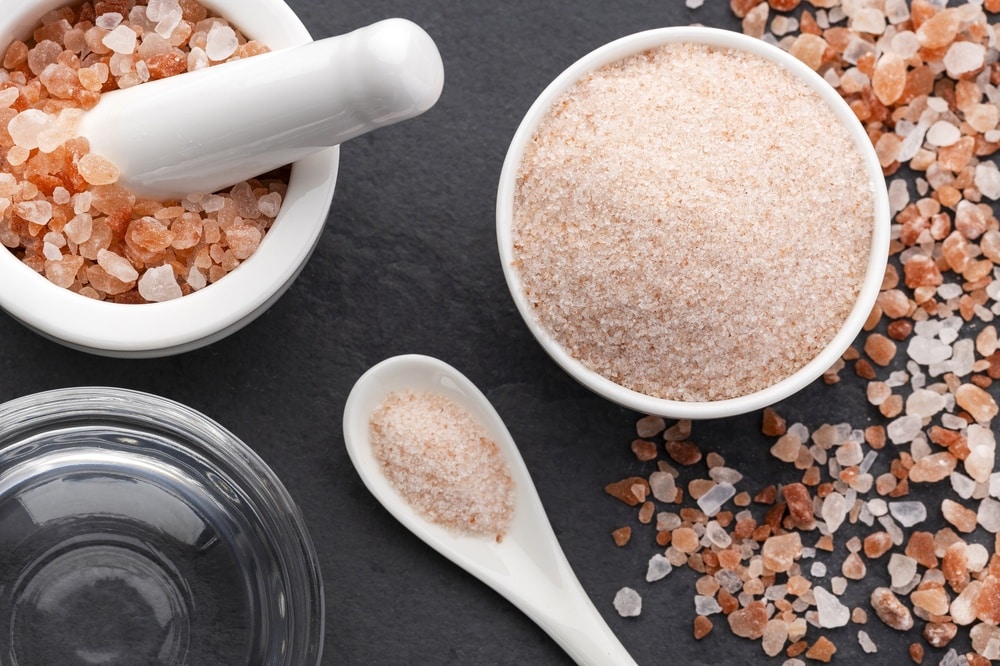
I prefer using unrefined salts like Himalayan pink salt or Redmond Real Salt. These contain dozens of trace minerals that work synergistically with sodium. However, be mindful of sourcing; some sea salts have been found to contain microplastics, so look for salts mined from ancient, protected deep-earth deposits.
How Much Sodium and Where to Get it
While the standard recommendation is quite low (around 2.3 grams), many health advocates and researchers, including those like Robb Wolf, suggest that active individuals may need 5 grams or more daily to feel their best.
Rather than just salting my food, I use a variety of methods to keep my levels steady:
- Adrenal Cocktails: Mixing orange juice, cream of tartar (for potassium), and a generous pinch of sea salt.
- Electrolyte Powders: Using clean brands like LMNT, especially during workouts.
- Salted Broths: Drinking warm bone broth with added salt is incredibly soothing for the gut.
- Functional Foods: Incorporating olives, pickles, and fermented sauerkraut into daily meals.
- Morning “Sole”: Starting the day with mineral-dense water to jumpstart the nervous system.
Practical Ways to Support Healthy Sodium Levels
The most important tool you have is biofeedback. Start paying attention to your “salt hunger.” If you find yourself craving chips or pretzels, your body might actually be asking for the salt, not the refined carbs.
Try adding a pinch of high-quality salt to your morning water for a week and track your energy levels. You might be surprised to find that your afternoon fatigue isn’t a “caffeine deficiency,” but a mineral one. Also, consider “salting to taste”—your taste buds are remarkably good at telling you how much your body requires at any given moment.
Closing Remarks on the Power of Mineral Balance
Reclaiming the role of sodium in my diet has been one of the most transformative shifts in my health journey. It has allowed me to move away from the “restriction mindset” that so often plagues the wellness community and move toward a model of nourishment. By understanding that sodium is a vital conductor for our electrical bodies, we can better support our energy, our moods, and our overall vitality. For the busy parent, salt isn’t the enemy—it might just be the very thing that helps you keep your “spark” alive through the beautiful chaos of family life.