




















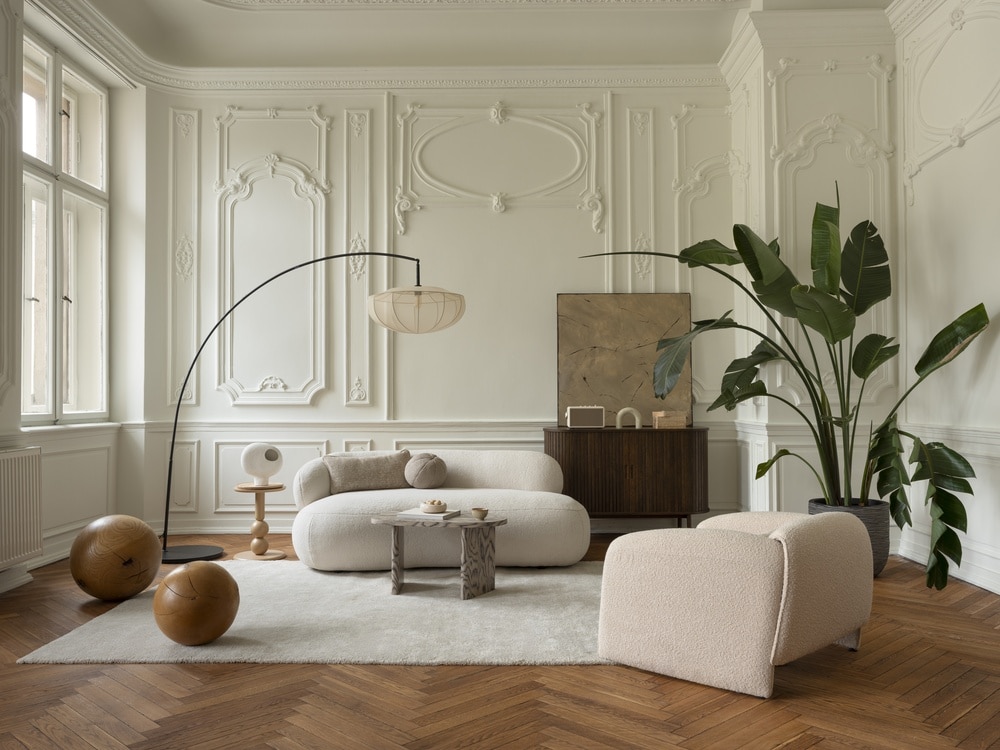
Living in a constant state of clutter can feel mentally draining, especially when you are trying to manage the busy schedule of a modern household. Many families find that their living spaces eventually become overwhelmed by “stuff,” leading to a home that feels chaotic rather than restorative. Shifting toward minimalist home decor offers a path to reclaim your space and peace of mind. By focusing on intentionality rather than just aesthetics, you can transform your home into a serene sanctuary that prioritizes functionality and mindful living.
Approaching home design is often like working on a creative project; it is exciting to find unique pieces that make a room feel cozy. However, it is easy to cross the line from curated to cluttered. A minimalist philosophy isn’t about living in a cold, empty box; it is about knowing when the “picture” is complete so you don’t overwhelm the beauty of your home. By following these principles, you can achieve a clean, sophisticated look that simplifies your daily routine and enhances your quality of life.
The Emotional and Functional Benefits of Minimalist Design
Fostering a Sense of Tranquility. One of the most immediate advantages of minimalist decor is the calm it brings to your environment. When your visual field is clear of unnecessary distractions, your mind has more room to relax. For parents, this reduction in visual noise can significantly lower daily stress levels.
Improving Room Flow and Utility. Minimalism is a strategic way to make a smaller footprint feel expansive. By choosing fewer, more impactful pieces of furniture, you create an airy atmosphere that allows for better movement through the house. Investing in a few high-quality items rather than a collection of mediocre ones not only saves money over time but also ensures that every piece in your home serves a meaningful purpose.
Streamlining Daily Maintenance. The practical side of minimalism is a game-changer for home management. With fewer surfaces to dust and less “junk” to organize, cleaning becomes a much faster and simpler task. This intentional lifestyle forces a shift in mindset, encouraging you to be more selective about what enters your home. When you stop managing excessive possessions, you gain the freedom to focus on the experiences and people that truly matter.
Key Principles for Crafting a Minimalist Home
Minimalist decor is the perfect match for those who appreciate a clean, contemporary aesthetic. It moves away from the traditional “more is more” approach and instead highlights the beauty of open space and utility. Creating this look involves a careful edit of your surroundings to ensure everything present contributes to the overall harmony of the room.
The core of this movement is choosing quality over quantity. By selecting durable, well-crafted items, you reduce the need for frequent replacements and decrease your environmental footprint. Choosing sustainable materials and ethically produced goods further aligns your home with a conscious way of living. This mindful approach results in a space that is not only beautiful to look at but also reflects a commitment to personal and global well-being.
The Essential Decluttering Process for Homeowners
The journey toward a minimalist interior begins with a deep, honest assessment of your current belongings. You must strip away the non-essentials to find the heart of your home. Think of this as the ultimate refresh. Start with manageable areas like your wardrobe or the kitchen “junk” drawer to build momentum.
As you move through each room, sort your items into three distinct categories:
- Essentials to Keep: Be highly selective. Only retain items that are used frequently, possess significant value, or hold deep sentimental meaning.
- Items to Discard: Properly dispose of things that are broken beyond repair or no longer serve a purpose.
- Items to Donate: Give a second life to items in good condition by passing them on to local charities.
Try to keep the “keep” pile as small as possible. If you struggle to part with certain items, consider placing them in temporary storage to see if you actually miss them. Once you have finished, reaching out to local non-profits for a pickup can save you time and ensure your unwanted items reach those in need quickly.
Optimizing Floor Space by Selecting Essential Pieces
After decluttering, you will likely find that your existing storage is more than sufficient. Consolidate your remaining belongings into built-in cabinets or your favorite pieces of furniture, allowing you to remove bulky, unnecessary storage bins or extra chests of drawers. If a room feels cramped, check to see if you have more seating than you actually use on a daily basis.
Empty floor space is not “wasted” space; it is “breathing” space. Professional home stagers use this technique to make houses look more appealing because it highlights the architecture of the room. Any furniture you decide to part with can be sold to fund the purchase of one or two multi-functional, high-quality pieces.
Look for furniture with sleek lines and dual purposes to maximize efficiency:
- Wall-Bed Systems: These allow a guest room to double as an office or play area when the bed is not in use.
- Storage-Integrated Beds: Utilize the space under the mattress for linens or seasonal clothing to keep closets clear.
- Floating Media Consoles: Mounting your TV and storage on the wall keeps the floor clear and creates a modern look.
- Modular Dining Tables: Choose tables that can expand for hosting but remain compact for everyday family meals.
Elegant Styling Tips to Maintain a Clean Aesthetic
Once the heavy lifting of decluttering is done, you can focus on the subtle details that define minimalist style. The goal is to keep surfaces like countertops and dressers almost entirely clear. Limit your decorative accents to just one or two impactful items per surface to prevent the “clutter creep” from returning.
You don’t need a massive renovation budget to achieve this look. Often, it is simply about rearranging what you have and being disciplined with your choices. Consider these expert styling strategies:
- Strategic Wall Art: Instead of a gallery wall that feels busy, choose a few large, meaningful frames. This draws the eye without cluttering the visual field.
- Reflective Surfaces: A large, simple mirror can double the perceived light in a room and make even small corners feel expansive.
- Monochromatic Palettes: Use neutral tones like soft grays, warm beiges, and crisp whites. If your furniture matches the wall color, it blends in seamlessly, making the room feel larger.
- Natural Light: Keep window treatments light and airy. Ensure curtains can be pulled completely away from the glass to let in as much sunshine as possible.
- Organic Elements: Bring in life with a few well-chosen indoor plants. They provide a pop of color and improve air quality without adding “stuff.”
- Tactile Textures: Use natural materials like light wood, stone, or linen to add warmth so the space feels inviting rather than sterile.
Final Thoughts on Transforming Your Home Through Minimalism
Transitioning to a minimalist home decor style is about more than just a trend; it is a commitment to a more intentional way of living. By clearing away the physical and mental clutter, you create space for the activities and people that bring you joy. Minimalism is the purposeful promotion of the things we value most by removing everything that distracts us from them. Whether you start with a single room or tackle the whole house, the result is a more peaceful, organized, and functional environment for your entire family to enjoy.