



















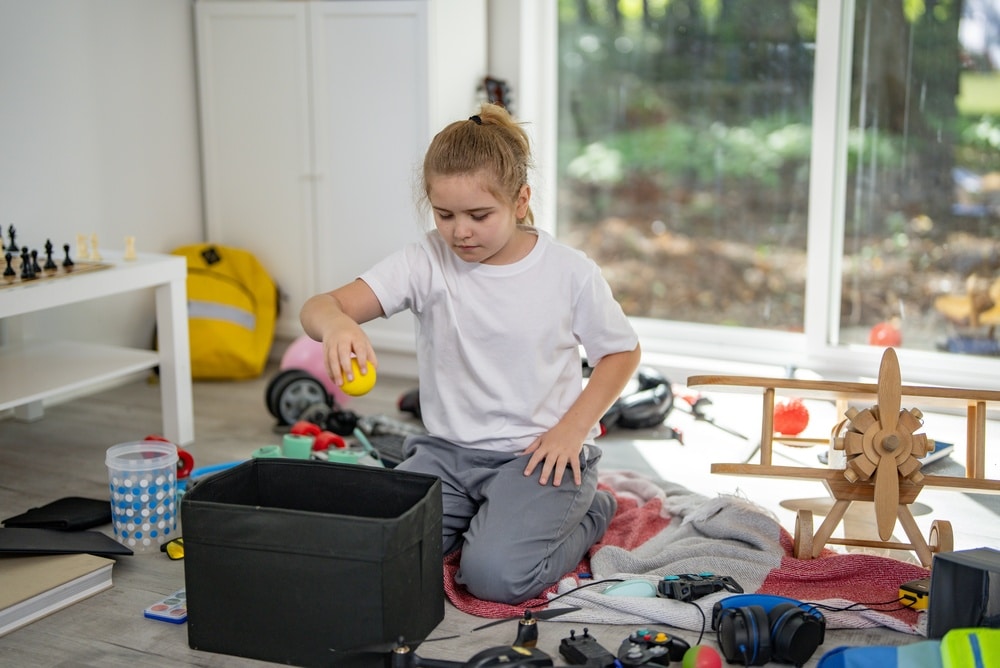
Imagine the satisfaction of seeing a clear bedroom floor on Sunday afternoon, only to find it completely covered again by Thursday. This common cycle happens because a weekend deep-clean often relies on a parent’s oversight and decision-making. To keep a room functional throughout the week, children need a system that fits their daily reality—one that accounts for schoolwork, playtime, and the natural chaos of being a kid. The goal isn’t necessarily a perfect room, but a usable space where they can find what they need and navigate safely.
Establishing Clear and Realistic Expectations for Tidiness
Before demanding a spotless room, it is helpful to define what “clean” actually looks like for your family. Vague instructions like “clean your room” are often overwhelming for children. Instead, focus on specific hygiene and safety standards. You might decide that “clean enough” means no food or dishes are left out, the bed is clear for sleeping, and there is a safe walking path to the door. By setting these firm boundaries for health and safety, you give your child a manageable framework while allowing them some autonomy over the rest of their space.
If a particular area stays messy, it might be a sign of a functional “bottleneck” rather than a lack of effort. Observe the room from your child’s perspective: Are the dresser drawers too jammed to shut? Are the toy bins out of reach? If the storage system is too difficult to use, the items will inevitably end up on the floor. Working together to declutter or simplify these spots can remove the friction that prevents them from tidying up.
Optimizing Storage to Match Your Child’s Natural Habits
One of the most effective ways to maintain order is to place storage exactly where items naturally land. If your child tends to drop their coat by the door or their pajamas next to the bed, consider placing a hook or a hamper in those specific spots. The fewer steps required to put an object away, the more likely it is to happen. Complicated filing systems or heavy bins with tight lids often act as barriers to organization. Simple, open containers and accessible shelving usually work best for daily maintenance.
It is also important to respect your child’s sense of ownership over their environment. A room is a place for creative projects and personal collections. Rather than fighting over every stray toy, designate a specific “project zone” or a display shelf for their treasures. This acknowledges that the room is a lived-in space for growth and play, not just a cleaning project. When a child feels their preferences are respected, they are often more willing to participate in the “reset” process for the rest of the room.
Developing a Consistent and Collaborative Room Reset
Consistent maintenance requires practice. Instead of waiting for the mess to become overwhelming, implement a short, daily “bedroom reset.” This works best when done together at first, perhaps right before a transition like dinner or bedtime. Focus only on the essentials: clearing the floor, putting laundry in the basket, and removing trash. By doing this alongside your child, you are coaching them on how to categorize items and manage their space without the stress of a full-day cleanup.
Inevitably, some weeks will be busier than others. During stressful times, it is okay to revert to a “minimum viable” version of the routine. You might agree that only the trash and the walking path need to be cleared tonight, with a plan to handle the rest on the weekend. Clearly defining who is responsible for the next step—such as who takes the laundry to the machine—ensures the system doesn’t break down. If the plan consistently fails, take it as a sign to re-evaluate the storage setup rather than blaming the child’s motivation.
Summary: Building Long-Term Success Through Function
Maintaining a child’s room is less about achieving perfection and more about building sustainable habits. By focusing on high-impact areas like hygiene and safety, placing storage in intuitive locations, and practicing short, collaborative resets, you move away from the cycle of weekend burnout. Success is found when a child can navigate their room safely and knows exactly how to return the space to a functional state after a busy week. This approach teaches valuable executive function skills and transforms the bedroom from a source of conflict into a manageable, lived-in sanctuary.