


















Transitioning to a more natural lifestyle often involves making choices that are both health-conscious and cost-effective. For many parents, especially those with young children in the potty-training phase, finding a gentle, non-toxic hand soap can be a challenge. Foaming hand soap, known for its ease of use and fun lather, became an essential item in our household. This article explores how you can create your own simple DIY foaming hand soap that is safe for little hands and budget-friendly.
Simple DIY Foaming Hand Soap
The process of making homemade foaming hand soap is so straightforward that even a child can help. At one point, my six-year-old was responsible for refilling our containers. With just a handful of basic ingredients, you can keep your family well-stocked without needing to worry about running out or the harmful chemicals found in many commercial soaps. Moreover, this foamy concoction makes a great substitute for shaving cream and can even double as a body wash during shower time.
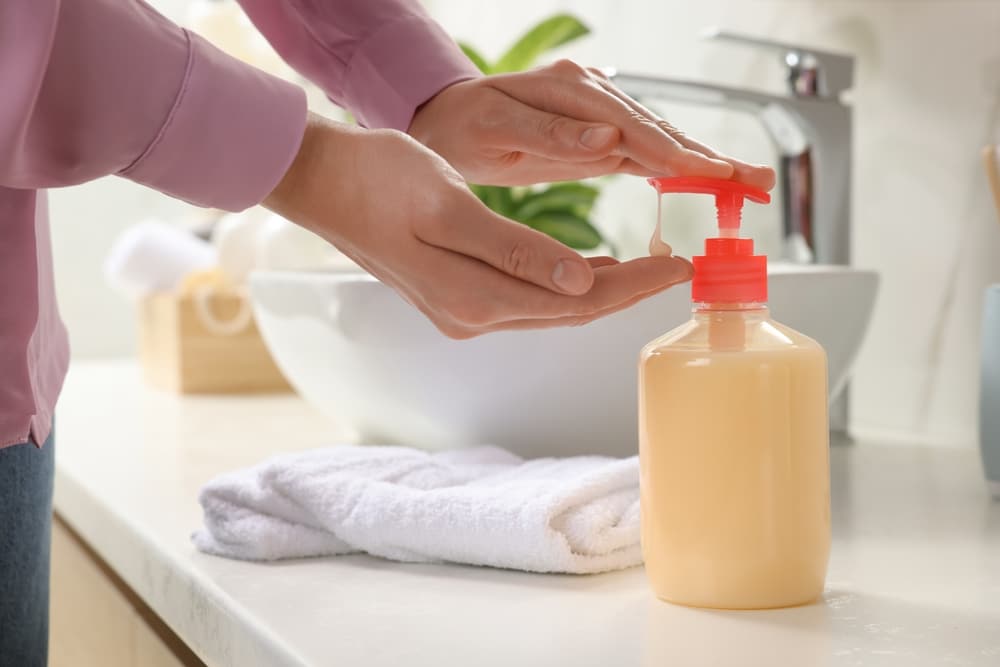
To get started, you’ll need a foaming hand soap dispenser. You can either purchase one online or simply repurpose an empty bottle from your favorite foaming soap product.
Why Use Foaming Hand Soap?
Years ago, I fell in love with soap-making, often having a variety of bar soaps on hand. Nowadays, lifestyle demands make it more convenient to rely on liquid or foaming hand soaps. The foaming pump is not only fun for kids, but it also uses less soap than traditional liquid options. This makes it an economical choice while being substantially healthier than store-bought alternatives, which are often packed with synthetic ingredients.
Ingredients Used in Homemade Soap
Your basic foaming hand soap recipe is extremely simple, consisting of liquid soap, oil, and distilled water. You can choose to keep it unscented or add essential oils for a pleasant aroma, which also provide natural antimicrobial benefits. My soap of choice is Dr. Bronner’s castile soap, which comes in an unscented version along with a variety of essential oil-infused options like peppermint, lavender, and citrus.
I prefer using olive oil in this mixture for its moisturizing properties, but feel free to substitute with sweet almond or jojoba oil. Just avoid solid oils, such as coconut oil. For added glide and moisture, you can include a small amount of glycerin.
Since this recipe is water-based and lacks preservatives, it is best used within a week. If you find yourself not finishing it that quickly, consider halving the recipe. The ideal ratio for this soap is one part liquid soap to twelve parts water, allowing you the flexibility to adjust quantities based on your needs.
Here’s a simple tutorial on how to whip up your own foaming hand soap at home!
DIY Foaming Hand Soap Recipe
This easy foaming soap contains only the essentials: water, liquid castile soap, a moisturizing oil, and optional essential oils for a homemade soap that is both simple and budget-friendly.
Yield: 13 ounces
- Fill the soap dispenser with water until it is about one inch from the top, allowing space for the soap pump.
- Add at least 2 tablespoons of liquid castile soap to the water. Make sure to add the water first to prevent unnecessary bubbles.
- Add the oil and any essential oils, if you choose to use them.
- Close the container and gently swirl to mix all ingredients.
- Use the soap just like you would any standard foaming hand soap.
- A foaming soap dispenser is essential for this recipe. You can either purchase one or reuse an old store-bought foaming soap bottle.
- If you do not have distilled water, filtered water that has been boiled and cooled will work as well.
Caution About Essential Oils
A smaller amount of essential oils can be beneficial, but certain oils, such as cinnamon, clove, oregano, and lemongrass, should be approached with caution, as they can be irritating to the skin. Consider using gentler oils like lavender, orange, lemon, or tea tree, which also offer natural antimicrobial properties. If you are using a castile soap that already contains essential oils, additional oils are not necessary.
Do you already create your own soap? If not, have you been inspired to start? Share your thoughts below.