




















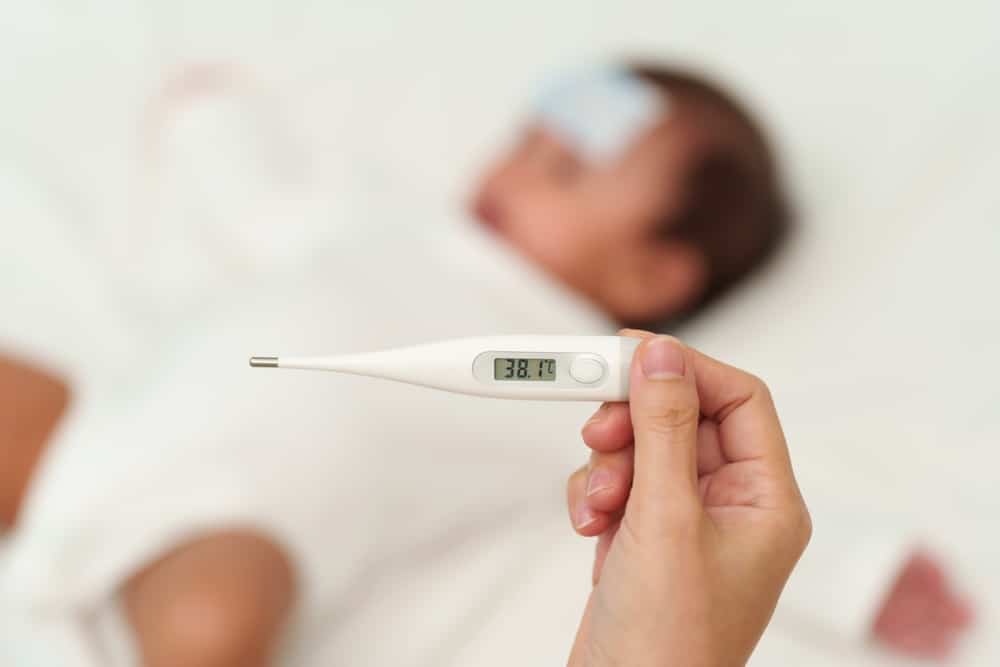
Understanding how to manage your baby’s fever is crucial for any parent, especially when their little one seems uncomfortable. Whether it’s a cold or another underlying issue, our main goal is to help them feel better.
As parents, our instinct is to care for our children when they are unwell. Today, I want to guide you on effective ways to alleviate fever in babies.
With four kids, I often find at least one of them battling a stuffy nose or fever. We’ve experienced everything from colds to strep throat, ear infections, and even the flu this season. As caring parents, we turn to various remedies when our kids experience discomfort.
When I suspect a fever, I always opt for a rectal thermometer for the most accurate reading. This is important, especially if you need to provide the exact temperature to a healthcare professional. Guessing their temperature won’t yield the precise information necessary.
And when in doubt, I often call my mom, who is a nurse, to ask if a pediatrician’s visit is needed. Having that medical knowledge in the family is beneficial!
When Should You Contact a Doctor About Your Baby’s Fever?
If your baby meets any of the following conditions, it’s imperative to consult a doctor:
- If your child is younger than three months.
- If your baby is having trouble breathing or is difficult to wake up.
- If the baby is between three and five months old with a temperature of 101 degrees or higher. High fevers can indicate a bacterial infection and may lead to febrile seizures.
- If your baby is six months old or older and has a temperature of 102 degrees or higher.
- If the fever persists for several days.
- If you observe signs of dehydration, such as fewer wet diapers, inability to drink fluids, vomiting, or diarrhea. Look out for a sunken soft spot on their head or sunken eyes.
Additionally, if the fever is accompanied by symptoms such as difficulty breathing, skin discoloration, a stiff neck, intense headache, sore throat, dry mouth or lips due to dehydration, rashes, or if your child has a condition like sickle cell disease, immediate medical attention is necessary. In such cases, don’t hesitate to call 911 or visit the emergency room.
In situations where the criteria mentioned above do not apply, I typically address the fever at home. I immediately get my thermometer to check their temperature, adhering to my mother’s advice to always have an accurate number on hand.
How to Achieve an Accurate Temperature Reading
For infants and very young children, using a rectal thermometer is recommended for the most accurate assessment. Although it may be uncomfortable, it provides reliability that other methods cannot. I keep digital thermometers in various rooms of our house for easy access.
Effective Ways to Reduce Your Baby’s Fever
When your little one is too young for oral medication or refuses to take it, exploring alternatives becomes essential.
Five Effective Strategies to Lower a Baby’s Fever
Note: Although I am not a medical professional, it’s vital to consult with your doctor regarding any fever, as even mild fevers can be symptoms of more serious issues.
1. Use a Suppository for Babies Over Six Months
For babies of appropriate age, utilizing a fever-reducing suppository may be efficient. While many medications can help reach normal body temperature, it is crucial to track doses and overall behavior since the underlying cause of the fever needs to be determined. Remember, common causes can range from minor viral infections to more significant health concerns.
2. Administer a Lukewarm Bath
A lukewarm bath can effectively help lower your baby’s temperature as the water evaporates from their skin. Avoid using cold water as it may provoke shivering, which could raise their temperature again. It’s best to stick with mildly warm water for optimal results.
3. Offer Frozen Treats and Hydrating Fluids
Cooling the body from within is possible by providing cold beverages and soft foods. Frozen treats like popsicles and yogurt can be both enjoyable and soothing for older toddlers. Ensuring adequate fluid intake is crucial.
4. Dress Your Baby Appropriately at Night
The guideline is to dress your baby in accordance with what you are wearing. Opt for light clothing suitable for the current season. Excessive layering or overly light clothing can inadvertently elevate their fever. Using a fan to circulate air can help as well, but it’s wise to avoid pointing it directly at your child.
5. Provide Lots of Comforting Hugs
Embrace, snuggle, and hold your little one close. Research indicates that a mother’s touch can have a soothing effect comparable to medication. Regardless of age, every child benefits from love and comfort, so take the time to rock them, sing, and offer gentle touches.
If the fever remains stubborn or if new symptoms develop, contacting a medical professional is vital. Time with your baby is precious, so cherish these moments.