









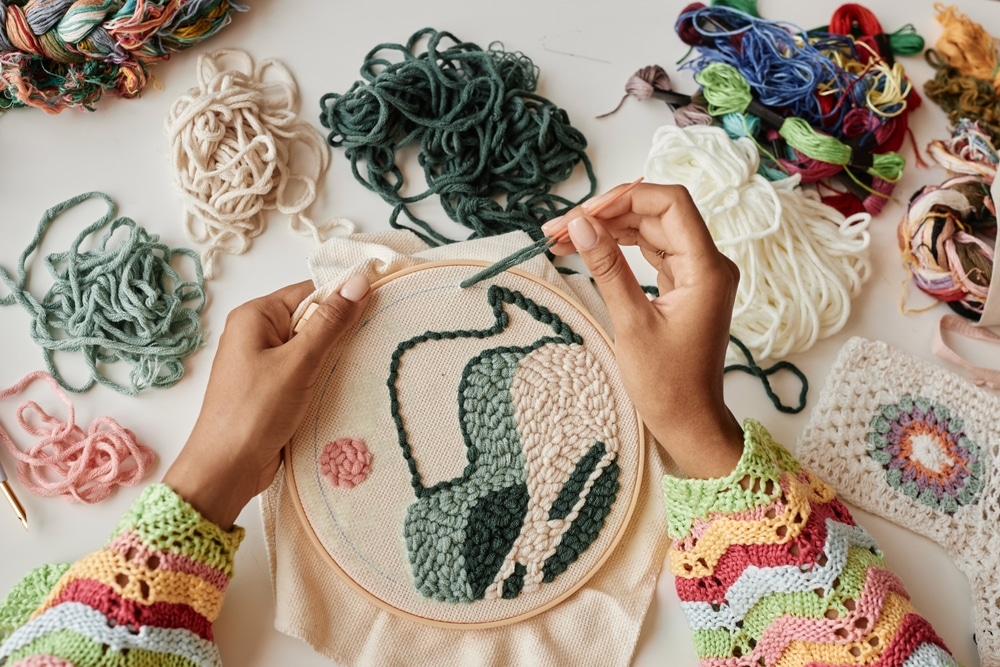
Embroidery is a timeless craft with a legacy that stretches back centuries. While it was once used to adorn the elaborate garments of medieval royalty, today it is a popular way to personalize modern fashion and home decor. If you are looking for a creative outlet that is both relaxing and rewarding, embroidery is a perfect choice. Because it requires minimal equipment to start, it is very beginner-friendly. Before you dive into your first pattern, it helps to understand the fundamentals. This guide will walk you through the basics of the craft, the tools you need, and several inspiring projects to help you begin your stitching journey.
Defining the Craft of Hand-Stitched Art
At its core, embroidery is the practice of decorating fabric using a needle and thread to create patterns. It transforms a plain piece of cloth into a work of art through various textures and colors. This “slow craft” is highly valued for its ability to add a personal, handmade touch to everyday items.
Distinguishing Between Needlepoint and Embroidery
Beginners often wonder how embroidery differs from needlepoint. While they share similarities, the primary difference lies in the base material and the technique. Needlepoint is a specific type of embroidery performed on a stiff, open-weave canvas, usually covering the entire surface with stitches. General embroidery is more versatile, allowing you to embellish clothing, linens, or hoops using a wider variety of stitches on almost any type of fabric.
Exploring Different Embroidery Methods
The Tactile Appeal of Hand Embroidery
Hand embroidery is the traditional method where the artist controls every movement of the needle. To start, fabric is typically stretched tight across a wooden or plastic hoop. The choice of needle and thread depends on the complexity of the design and the weight of the fabric. For those just starting out, focusing on a few basic stitches is the best way to build confidence. As your skills grow, you can incorporate more intricate techniques that add depth and detail to your work. Hand embroidery is a favorite for hobbyists because of the unique, one-of-a-kind results it produces.
The Efficiency of Machine Embroidery
Machine embroidery uses computerized technology to sew designs onto fabric. These patterns are pre-programmed, ensuring that every stitch is uniform and every finished product looks identical. While machine embroidery lacks the individual character of hand-stitched work, it is significantly faster and more efficient for large-scale projects or items that require heavy use, such as commercial uniforms or sturdy tote bags.
For those interested in a creative hobby that showcases personal flair, hand embroidery is usually the preferred path. However, machine embroidery is an excellent option for those who enjoy technology and want to personalize items quickly.
Essential Steps to Launch Your First Embroidery Project
Starting a new hobby can feel overwhelming, but embroidery is remarkably accessible. You don’t need to master every stitch immediately; instead, you can learn as you go, improving with every project. Having the right supplies from the start will make the process much smoother.
Must-Have Supplies for New Stitchers
Before you begin your first design, gather these fundamental tools to ensure a successful experience.
Selecting the Best Fabric
For your initial projects, choose a light-colored fabric with an even, visible weave. Linen or high-quality cotton are ideal because they are easy to pull a needle through and provide a stable surface for your stitches.
Understanding Embroidery Floss
Embroidery floss is a specialized thread composed of six individual strands. Depending on the level of detail in your project, you can separate these strands to create thinner or thicker lines. Cotton floss is the most common choice, known for its durability and wide range of colors.
Picking Your Embroidery Hoop
An embroidery hoop keeps your fabric taut, preventing puckering while you work. A standard 6-inch hoop is a versatile size that is comfortable for most beginners to hold and large enough for many popular patterns.
Choosing the Right Needles
Embroidery needles have larger eyes to accommodate multiple strands of floss. They also come in various lengths and sharpness levels. Often, beginner kits will specify which needle size is best for the included pattern, making the selection process easier.
Tools for Marking Designs
Transferring a pattern onto your fabric is a crucial step. While a regular pencil can work, a water-soluble pen is often better because the marks can be easily rinsed away with water once your stitching is complete, leaving only your beautiful thread work behind.
Quality Scissors
While any sharp pair of household scissors can cut thread, investing in a small pair of precision embroidery scissors will help you trim floss closely and cleanly without fraying the ends.
Fundamental Stitches Every Beginner Should Learn
Mastering a few basic stitches will allow you to complete almost any beginner-level project. Here are the most common techniques to practice:
- Running stitch
- Backstitch
- Split stitch
- Stem stitch
- French knot
- Chain stitch
- Lazy daisy
- Feather stitch
- Seed stitch
- Satin stitch
Many beginners find it helpful to start with a kit, which usually includes fabric pre-printed with the pattern and step-by-step instructions for these specific stitches.
Creative and Simple Embroidery Inspiration
If you are ready to start, here are several project ideas that are perfect for those new to the craft. These ideas range from quick machine-based designs to charming hand-stitched art.
Quick Machine Embroidery Concepts
Personalized Word Art
Machine embroidery is excellent for creating clean, professional-looking typography. You can use programmed designs to stitch motivational phrases or names onto fabric. This is a great way to learn how your machine handles different fonts and letter spacing.
State Pride Kitchen Decor
Using a satin stitch to outline the shape of your home state is a fun way to decorate kitchen tea towels. These make wonderful, personalized gifts and allow you to practice working with larger, solid blocks of color.
Rewarding Hand Embroidery Projects
Naturalistic Tree Ring Art
This project uses simple circular lines to mimic the rings of a tree. It is an ideal starting point because the lines don’t have to be perfectly straight, allowing you to get comfortable with your needle movement without the pressure of perfection.
Practical Felt Bookmarks
Felt is an easy material to stitch because it doesn’t fray. Creating a small floral or geometric design on a strip of felt results in a beautiful, functional bookmark that is perfect for gifting to fellow book lovers.
Vibrant Fruit Patterns
Simple shapes like cherries, lemons, or apples are classic embroidery motifs. You can use colored fabric for the fruit itself and only stitch the outlines and stems to save time while still creating a bold, colorful piece of wall art.
Stylish Neckline Embellishments
You can breathe new life into a plain sweatshirt or t-shirt by embroidering a few flowers or patterns along the neckline. Using basic stitches like the lazy daisy or backstitch can instantly elevate your wardrobe.
Seasonal Hand-Stitched Ornaments
Small ornaments are quick to complete and very satisfying. By stitching simple holiday shapes onto felt or linen, you can create a collection of handmade decorations that will last for years.
Minimalist Single-Stitch Hoops
A “single stitch” project focuses on one primary technique, such as using only the running stitch to spell out a word like “bloom.” This minimalist approach is modern, chic, and very easy for a first-timer to complete.
Preserving Children’s Drawings as Thread Art
One of the most sentimental projects you can undertake is tracing a child’s drawing onto fabric and stitching over the lines. This preserves their early creativity in a durable, beautiful format.
Simple Animal Silhouettes
Practice your outlines by stitching the silhouette of a pet. A simple line drawing of a cat or dog using the stem stitch is a great way to create a personalized tribute to a furry friend.
Trendy Cactus Motifs
Cacti are very forgiving patterns for beginners. The naturally varied shapes and “spines” (which can be made with simple seed stitches) make them a fun and trendy design for t-shirts, hats, or tote bags.
Romantic Heart Shapes
You don’t always need a formal pattern. Drawing a simple heart and filling it with your favorite colors using a basic backstitch is an excellent way to practice consistency in your stitch length.
How to Showcase Your Completed Embroidery Work
Once you have finished your masterpiece, there are many ways to display it. Depending on the size and style, consider these options:
- Display the piece directly in the embroidery hoop as a wall hanging.
- Mount and frame the fabric like a traditional painting.
- Sew the embroidered fabric into a decorative throw pillow.
- Incorporate the design into clothing to wear your art.
- Use embroidered linens as table runners or napkins.
- Wrap them up to give as thoughtful, handmade gifts.
Final Encouragement for Aspiring Embroiderers
Embroidery is a journey that rewards patience and practice. As you move from basic running stitches to more complex designs, you will find that the process becomes as enjoyable as the finished product. Don’t be afraid to experiment with different thread weights and color combinations to find your unique style. Whether you are embellishing a bath towel or creating intricate wall art, each stitch is an opportunity to express your creativity. The more you practice, the more professional your handiwork will appear, turning a simple hobby into a lifelong skill.