




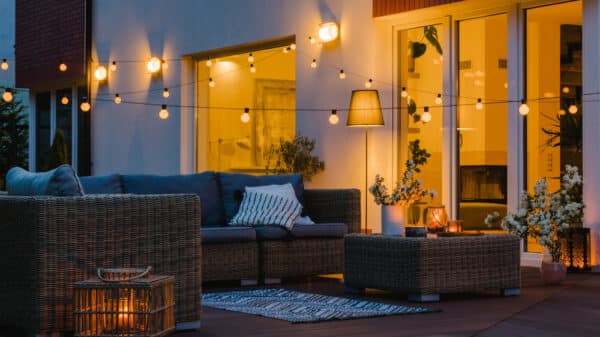







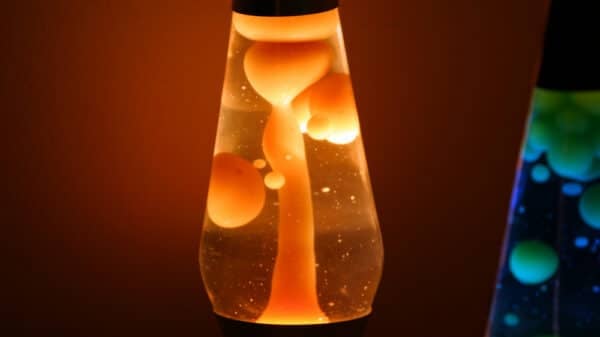





After years of diligently adhering to sleep routines—including magnesium supplements, avoiding screens, and maintaining a cool sleeping environment—I found myself waking up at 3 AM frequently. It was only when I began to scrutinize my exposure to outdoor light and the types of artificial lighting in my home that I saw significant changes in my sleep patterns. This shift turned out to be one of the most transformative decisions I made for my overall health.
Why I Choose Amber Light Bulbs
Light serves as the most powerful signal to our bodies throughout the day. Beyond visibility, it provides vital information that our cells interpret. The spectrum of light entering our eyes communicates to the hypothalamus the time of day, which in turn influences melatonin production. When this cyclical rhythm is disrupted, sleepless nights follow.
The challenge lies with conventional LED lights, including those marketed as “warm white.” These bulbs emit wavelengths of blue light comparable to midday sunlight, effectively tricking your body into believing it’s daytime, even at night. Continuing exposure to such artificial lighting after sunset compromises melatonin secretion, leaving you wide awake at hours best reserved for sleep.
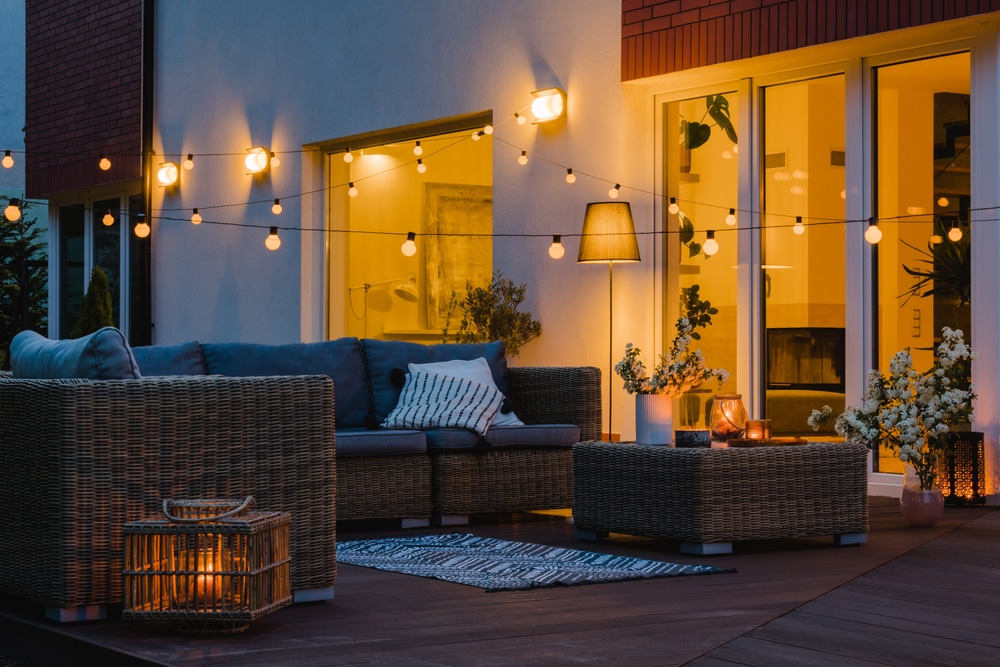
After extensive experimentation—including transforming my home into a cozy, campfire-like setting post-sundown—I discovered specific amber lighting solutions that have made a remarkable difference. I utilize timers to ensure the correct lighting adjusts automatically at sunset, relieving me of the chore.
In This Post
Why “Warm White” LEDs Still Aren’t Enough
What shocked me during my research is that even a “warm white” LED rated at 2700K appears softer and yellowish but still emits a notable spike in blue light wavelengths that inhibit melatonin. Despite its seemingly pleasant appearance, it doesn’t meet our evening lighting needs.
In the evening, we actually should be exposed to light with zero emissions below 530nm, specifically within the amber or red spectrum. This true amber light is distinct from traditional warm white LEDs and better supports our natural rhythms.
The eyes contain specialized receptors, known as melanopsin cells, which help to communicate with our internal clock. When stimulated by short-wavelength blue light, these cells send signals to suppress melatonin levels. Even faint light, such as that from bedside lamps measuring eight lux, can disrupt your circadian rhythm.
Even dim light can interfere with a person’s circadian rhythm and melatonin secretion. A mere eight lux — about the level of most bedside lamps — has an effect.
True amber bulbs, designed to emit zero wavelengths below 530nm, prevent these receptors from triggering, prompting your brain to recognize it as firelight. This signal initiates a safe mode for repair and restoration.
The Exact Amber Bulbs and Lamps I Use
Evening Amber Light Bulbs (the Most Important Swap)
During the day, our bodies are accustomed to bright overhead lighting, so I initially focused on optimizing my evening lighting by switching to circadian-friendly bulbs in my evening lamps. These lamps are well-placed to be at eye level or lower, as that is where significant circadian disruption occurs.
I use these amber bulbs in all primary living areas—kitchen, living room, and dining spaces—after 6 PM. This is where I’ve witnessed the most rapid positive changes, and I’ve also installed them in the bedrooms.
- No blue light emissions—completely eliminated
- Flicker-free and minimal electromagnetic fields
- Bright enough for various evening tasks, not just reading
- Standard E26 base suitable for most lamps
Additionally, I use digital timers, ensuring that the lights come on automatically. Maintaining a consistent ambiance enhances our evening routine.
Red Bulbs for the Bedroom and Bathroom
For the bedroom and bathroom, I opted for genuine red light, which is free from blue or green wavelengths altogether. Light above 600nm poses little to no impact on our circadian rhythm—it’s the sort of light employed by photographers in darkrooms. I use it in bedside lamps and in the bathroom for the hour leading up to sleep.
These flicker-free red bulbs are ideal for maintaining a serene environment as you prepare for rest.
The Three-Setting Bulb (Easiest Option to Start With)
If you prefer a single bulb approach, a circadian-friendly bulb that naturally cycles through daylight, amber, and deep red with a standard switch can serve as a straightforward introduction to improving your lighting environment. No complex setups are required.
The Lamps Themselves
The bulbs are essential, but the fixtures also matter. Overhead lighting is particularly detrimental because it mimics high-noon sunlight. In our home, we switch off overhead lights around 6 or 7 PM and rely on floor and table lamps instead.
My Daily Lighting Schedule
To fully harness this biological input of light, I map out our family’s daily lighting regimen:
- Morning (wake – 9 AM): Spending time outdoors without sunglasses or protective eyewear soon after waking. If outdoors isn’t an option, I open all curtains to let in as much natural light as possible.
- Daytime (9 AM – ~5 PM): Prioritizing natural light; normal lighting systems are fine for most activities. Screens pose no issue during daylight.
- Early Evening (~6 PM): Turn off overhead lights and activate amber lamps. Blue-light filters should be enabled if screens are in use.
- Late Evening (8 PM – bed): Utilize only red or deep amber lighting in sleeping spaces. No overhead lights should remain on during this time.
- Overnight: Aim for complete darkness, utilizing blackout curtains. A dim red nightlight may assist young children navigating to the bathroom.
Don’t feel pressure to implement all these changes at once. The most impactful first step is simply switching to amber bulbs in the living area and bedroom lamps to enhance your evening environment.
What to Look for When Buying (So You Don’t Waste Money)
After testing various amber bulbs, I’ve identified key features to seek:
- Zero emissions below 530nm: Seek out spectral data to confirm, rather than relying on broad marketing terms. Brands that don’t publish detailed spectral charts may not meet standards.
- Flicker-free certification: Low-cost bulbs may flicker at rates your eyes can’t consciously detect, leading to fatigue. Confirm that your bulbs are certified flicker-free.
- Low EMF: Wi-Fi or Bluetooth-enabled smart bulbs often emit higher electromagnetic frequencies; avoid these for sleeping spaces.
- Color temperature alone isn’t adequate: A warm 2700K rating does not guarantee low-blue emissions; always demand spectral data.
- Avoid the “colored shell” trick: Many bulbs filtering blue light only do so superficially; look for engineered solutions at the spectral level.
The Science: Why Light Is a Cellular Input, Not Just a Convenience
The foundational elements of light and its effects on our circadian rhythm have been well-documented. Your circadian clock, which resides in the suprachiasmatic nucleus of the hypothalamus, relies heavily on daily light calibrations to maintain its alignment with natural day-night cycles.
Morning light—especially the blue wavelengths present at sunrise—helps reset this clock and triggers the cortisol that wakes you up. Conversely, in the evening, the absence of blue light should signal the onset of melatonin production.
When artificial lighting introduces blue wavelengths after sundown, melatonin production may be delayed by 90 minutes or longer. You’re not just struggling to fall asleep; you’re postponing the vital repair processes orchestrated by your body during nocturnal hours.
Switching your home lighting may not resolve every issue you face, but it significantly diminishes one of the consistent disruptors to your restorative sleep cycles. From personal experience, this adjustment has yielded one of the highest impacts at a minimal cost.
Frequently Asked Questions
Should I Change Every Bulb in the House?
Not at all. Begin with the spaces you frequent during the hours leading up to bedtime—like the living room and bedroom—before considering other spaces like the garage or laundry room.
Is Amber Light Bright Enough to Actually See By?
Yes! High-quality amber bulbs provide ample light for cooking, reading, and other evening tasks. While colors might appear differently (reds and yellows become more vibrant, while blues and greens seem muted), they still offer functional visibility.
What About Blue-Light Blocking Glasses? Can I Just Use Those Instead?
While these glasses offer protection, they only serve as a partial solution since they focus solely on the eyes. Your skin also hosts photoreceptors that relate to your circadian system. For full benefits, I use both amber glasses when on screens in the evening and install amber bulbs for the overall environment.
Can I Just Use a Dimmer with My Existing Bulbs?
Dimming can help, but it doesn’t eliminate blue wavelengths’ emission. A dimmed standard LED retains the same ratio of blue light; it’s not a true replacement for amber spectrum bulbs.
What About Smart Bulbs That Change Color Temperature?
While adjustable smart bulbs can be beneficial, they typically still release residual blue light even at the warmest setting. Moreover, the Wi-Fi or Bluetooth connectivity generally leads to increased EMF emissions, which is something I prefer to minimize in sleeping areas.
Is This Safe for Kids?
Definitely! In fact, the switch to amber lighting can be even more crucial for young children, whose circadian systems are still in development. My kids have benefited from amber lamps in their rooms for years, aiding their winding-down process in the evening.
How Quickly Will I Notice a Difference?
Most individuals observe improvements in their ability to fall asleep within just a few nights of utilizing consistent amber lighting during the two hours leading up to bedtime. If you’re already implementing other sleep strategies—such as avoiding food prior to bedtime and ensuring a cool, dark bedroom—this could be the missing element for seamless sleep.
Shop the Full List
Related Posts You Might Like
Have you transitioned to amber lighting? What changes did you notice, and which products do you find most beneficial? I invite you to share your experiences in the comments; I read each one.