



















Children possess an innate curiosity about the natural world, and the garden is the perfect classroom to nurture that wonder. Introducing kids to hydroponics allows them to explore complex scientific principles through an engaging, hands-on medium. By removing the soil and focusing on the relationship between water and nutrients, children gain a unique perspective on plant biology, environmental sustainability, and the life cycle of the food they eat.
The Excitement of Science Without the Dirt
While traditional gardening often involves digging in the dirt, hydroponics offers a cleaner, more clinical look at how life grows. Because there is no soil involved, the process feels like a fascinating laboratory experiment. This method captures a child’s attention by revealing the parts of the plant—specifically the root systems—that are usually hidden underground, turning a simple hobby into a profound lesson in anatomy and biology.
Understanding the Basics of Hydroponic Growing
At its core, hydroponics is a technique used to grow vegetation using a water-based, nutrient-rich solution rather than earth. Instead of the plant searching through the soil for sustenance, the essential minerals are delivered directly to the roots through the water. For children, this is a visual way to understand that plants require specific “food” to thrive, and we can observe exactly how they drink it up.
Exploring Active vs. Passive Growing Methods
When teaching children about these systems, it is helpful to categorize them into two main types: passive and active. A passive system, such as suspending an avocado pit over a jar of water with toothpicks, requires no electricity or moving parts; the plant simply sits in the still water. An active system uses a pump or aerator to circulate the nutrient solution and provide oxygen, which often results in faster and more robust growth.
Furthermore, these setups can be either water-based or media-based. Water-based systems keep the roots submerged directly in the liquid, often using a mesh or wire support for the top of the plant. Media-based systems use a “substrate” like clay pebbles, coconut coir, or gravel to provide stability for the roots. Generally, lightweight leafy greens like spinach or herbs flourish in water-based setups, while heavier plants like cucumbers or peppers benefit from the structural support of a growing medium.
The Educational Value of Hydroponic Lessons
Hydroponics serves as a powerful tool for teaching environmental stewardship. Because these systems often use significantly less water than traditional farming, it is an excellent way to discuss water conservation and the importance of protecting our natural resources. Children can witness firsthand the challenges of agriculture, including how light, temperature, and nutrient balance affect a plant’s health.
This method also simplifies the explanation of photosynthesis and respiration. Kids can learn how chlorophyll captures sunlight to create energy and how plants “breathe” by taking in carbon dioxide and releasing the oxygen we need to survive. Seeing this cycle in action helps them appreciate the vital connection between humans and the plant kingdom.
Interactive Science Projects for the Home
Starting a hydroponic project doesn’t have to be complicated. A classic introductory activity involves germinating bean seeds in a damp paper towel tucked into a clear jar. This allows children to track daily progress, sketch the emerging roots, and learn the terminology for different plant structures.
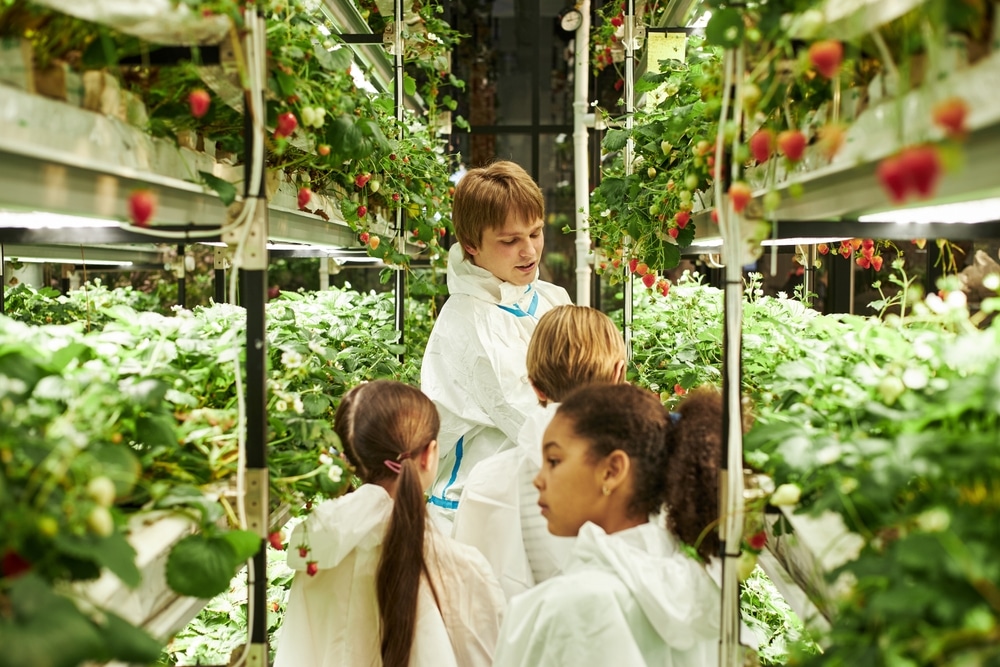
Another visually rewarding project is growing spring bulbs, like hyacinths or tulips, in a glass vase. For older kids or those with limited space, vertical hydroponic towers offer a lesson in geometry and space-saving technology. Encouraging children to experiment with different seeds or light levels helps develop their critical thinking and observation skills.
Experimenting with Nutrient Solutions
Goal: To determine how the strength of a nutrient solution impacts the speed and health of plant growth.
Required Materials:
- Identical seedlings (such as basil or lettuce)
- Small hydroponic containers
- Filtered water
- Liquid plant nutrients
- Measuring tools and labels
Step-by-Step Instructions:
- Prepare three separate containers of water.
- Mix the nutrients at different strengths: one at half-strength, one at the recommended dose, and one at double-strength.
- Clearly label each container and place a seedling in each.
- Record the height, color, and root development of each plant over several weeks.
Anticipated Results: Children will likely see that while some nutrients are necessary, “more” isn’t always “better,” helping them understand the concept of biological balance.
Setting Up Your Own Kid-Friendly Indoor Garden
Creating a permanent indoor garden is a rewarding way to encourage healthy eating habits. When kids grow their own produce, they are much more likely to try—and enjoy—vegetables like kale or Swiss chard. To get started, you will need a few essentials:
- Growth System: A simple Wick system or Deep Water Culture (DWC) setup is best for beginners.
- Artificial Lighting: LED grow lights are helpful if you don’t have a very sunny window.
- Substrate: Materials like perlite or rockwool to hold the plants in place.
- Nutrients: A liquid fertilizer designed specifically for hydroponics.
- pH Kit: A simple tool to ensure the water remains in the ideal range (typically between 5.5 and 6.5) for nutrient absorption.
- Net Pots: Plastic mesh baskets that allow roots to grow through the bottom.
For families who prefer a more streamlined approach, many ready-to-assemble hydroponic kits are available that include everything needed to start harvesting within weeks.
Conclusion
Introducing hydroponics to children is a multifaceted educational experience that blends science, math, and environmental awareness. By encouraging them to measure growth, document changes through photography, and eventually harvest their own food, you are instilling a sense of responsibility and pride. Whether it is a simple seed in a jar or a fully automated vertical garden, the lessons learned through soil-free gardening will stick with them long after the first harvest.