




















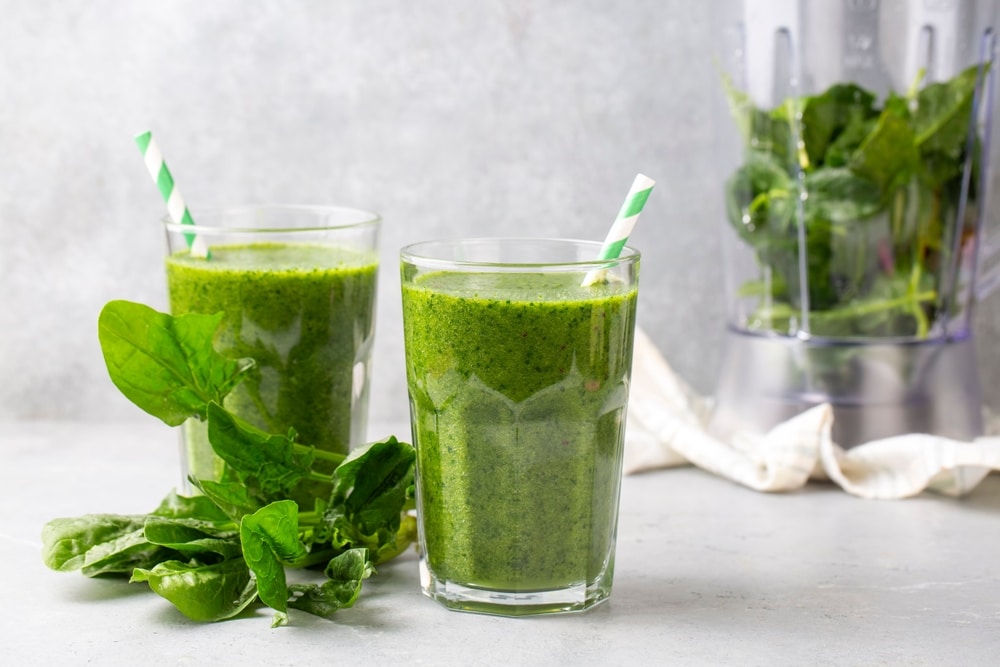
Green juice has surged in popularity lately, especially during detoxes and fasting. It’s a trend that divides opinions; some people swear by its energizing effects, while others feel it leads to blood sugar spikes, leaving them irritable and hungry.
After experimenting with green juice over the years, I can confidently say they aren’t a magical fix. Yet, they carry distinct benefits, which vary based on their ingredients, timing, and how you incorporate them into your routine.
Rather than viewing green juice merely as a detox drink or replacement for meals, I see it as a healthy enhancement. When added intentionally as a nutrient boost—rather than leaned on too heavily—they can be an excellent complement to a whole-food lifestyle.
Green Juice as a Meal Replacement
Many use green juice as a breakfast substitution or during juice cleanses. At first glance, it sounds appealing: flooding the body with vitamins and giving the digestive system a rest. However, this can be counterproductive.
Juicing often strips fruits and vegetables of most insoluble fiber. This fiber is crucial for regulating sugar absorption, nurturing good gut bacteria, and keeping us feeling full. Lacking it, juices—especially those high in fruit—can lead to sudden blood sugar spikes. A sugary juice on an empty stomach can create higher cortisol levels, energy crashes, cravings, and disrupt normal hunger signals.
This is why I don’t recommend relying solely on juice for breakfast. I prefer to hydrate and include a good amount of protein first thing to stabilize blood sugar and support hormonal balance. Research suggests that protein-rich breakfasts keep us feeling fuller for longer and improve insulin sensitivity and metabolic health, something that starting the day with just juice lacks.
However, not all green juices are laden with sugar or disruptive to metabolism.
Green Juice as a Nutrient Boost
I like to see green juice as concentrated nutrition. A thoughtfully prepared green juice is typically lower in sugar than many commercial juicing options. You gain a host of easily absorbed vitamins, minerals, and phytonutrients.
With nearly 90% of Americans failing to consume enough vegetables, it’s a challenge to get several cups of leafy greens and hydrating veggies into our diets daily. Green juice simplifies this, offering quick nutrient intake without the chewing.
Moreover, hydration is a significant benefit. Ingredients in green juice, like potassium and magnesium, support the movement of water into cells. This is why many users report feeling more hydrated from green juice than from plain water. Proper hydration goes beyond fluids; it’s about ensuring a balanced intake of electrolytes, which veggies naturally provide.
Of course, consuming whole fruits and vegetables remains vital!
Juicing vs. Smoothies: Why Both Have a Place
I’m a fan of smoothies too, particularly those that blend fruits, veggies, protein, and healthy fats. They’re filling and can promote stable blood sugar, although sometimes a thick smoothie feels overwhelming, especially if appetite runs low. Juicing presents a lighter alternative.
By removing most insoluble fiber, juices allow for quick nutrient absorption, as our bodies don’t need to work hard to digest them. For someone recovering from an illness, dealing with a low appetite, or needing an easy nutrition boost, juicing can be incredibly beneficial.
Juicing isn’t superior to blending; it’s simply different. Smoothies provide a more complete meal, while juices offer a lighter, concentrated source of nutrients. Having both options lets you adapt to different needs and situations.
Hydration at the Cellular Level
Hydration extends beyond merely drinking enough water. Our cells require minerals for effective fluid balance, signaling, and muscle function. A shortage of these minerals means water won’t hydrate as efficiently.
Vegetables like celery and cucumber are rich in electrolytes, especially potassium and sodium. Adding coconut water boosts potassium and a bit of magnesium. These elements facilitate cellular hydration.
Research highlights that fluids with minerals are absorbed better than standard water, especially during physical activity or stressful periods. While green juice isn’t a substitute for water, it can significantly boost hydration—particularly for those who struggle to consume enough fluids daily.
The Benefits of Green Juice Ingredients
I’ll soon share a recipe, but let’s first explore the benefits of the ingredients I favor. You’ll find a focus on veggies rather than fruits, which remain low in sugar. This combination provides hydration, micronutrients, antioxidants, and gentle digestive assistance.
Celery
I greatly enjoy celery juice on its own. Celery boasts high water content, potassium, and sodium—all beneficial for both hydration and electrolyte balance. Unlike typical sports drinks, celery offers these minerals in a more recognizable, usable form. It’s ideal for those who feel dehydrated despite adequate water intake.
Celery is also rich in antioxidant flavonoids like apigenin and luteolin, linked to anti-inflammatory benefits. You’ll gain vitamins A, C, K, calcium, and iron through celery.
Cucumber
Alongside celery, cucumbers are among the top hydrating vegetables, boasting over 95% water content. They contribute essential potassium and vitamin K, aiding in fluid balance and blood clotting. Their high water content also helps mellow stronger flavors in green juice.
Moreover, cucumbers contain antioxidants like cucurbitacins and flavonoids, with studies showing they provide anti-inflammatory, antimicrobial, anticancer, and antidiabetic properties. Plus, they are incredibly refreshing.
Green Apple
Green apples lend just the right amount of natural sweetness, balancing out the bitterness of greens without spiking sugar levels too high. They have lower fructose than sweeter apple varieties, which results in a gentler blood sugar effect.
Additionally, they contain polyphenols like quercetin—an antioxidant that bolsters the immune system. Besides exhibiting anti-cancer effects, quercetin also offers antiviral properties and supports healthy blood vessels. With potassium, B vitamins, and vitamin K, they enhance any green juice.
Kale
Leafy greens like kale usually feature prominently in green juice recipes. Kale’s impressive nutrient profile includes vitamins A, C, K, folate, and manganese, all of which contribute to immune support, collagen production, and proper blood clotting—crucial for overall health.
Importantly, kale has lower oxalate levels compared to spinach and Swiss chard, which can be problematic for some. Moreover, its calcium content can bind to oxalates in the digestive system, reducing their absorption. Not everyone faces issues with high oxalate foods, but they may induce problems if consumed excessively over time.
Lemon Juice
Lemon introduces a burst of brightness and tang, rich in vitamin C—essential for immune function and producing collagen. It also enhances the absorption of specific minerals, including non-heme iron from plant sources. Lemon encourages digestion and helps lightens up green juice, especially when paired with mineral-packed veggies.
While some recipes suggest adding a whole peeled lemon, I prefer simply cutting it in half and squeezing the juice in for ease. It also helps with grip strength.
Ginger
Ginger has long been celebrated for its digestive, circulatory, and immune-supporting qualities. Modern research has pursued its active compounds for their anti-inflammatory and antioxidant benefits. Ginger can mitigate nausea and promote better digestion, speeding food through the stomach into the intestines.
Its warming quality and spicy kick are appealing to me.
Parsley
While often thought of as a mere garnish, parsley is actually a nutritional powerhouse. It’s abundant in vitamins C and K and chlorophyll, supporting immune function, detoxification, and blood health.
Parsley also contains apigenin, a flavonoid recognized for its antioxidant and cell protection properties. Traditionally, it has been used to promote kidney and urinary health.
Coconut Water
While optional, I enjoy adding coconut water for an extra electrolytic boost. Its natural content of potassium, magnesium, and sodium aids in fluid balance and hydration, supporting nerve signaling, muscle contraction, and cellular fluid movement.
When consumed mindfully, coconut water can elevate green juice’s hydrating benefits without excessively raising sugar levels. Ensure you choose coconut water without added sugars!
Oxalates, Greens, and Context
Oxalates are naturally occurring compounds found in a variety of plant foods, often mislabelled as harmful. Absorption rates for oxalates are around 2-5% in most foods, but if consumed in large amounts or on an empty stomach, this can increase to 10-12%.
Excessive oxalates can irritate kidneys and lead to kidney stones in some individuals. It’s also noteworthy that only about 20% of oxalates come from our diets; the rest are produced by our bodies during metabolism and other processes.
This understanding informs my preference for kale over spinach in green juice. Kale is lower in oxalates while also providing valuable calcium. Oxalates can bind with positively charged minerals like calcium, magnesium, and iron, reducing overall absorption when both are consumed together.
Who Should Drink Green Juice?
Green juice serves as a valuable option for those who:
- Find it challenging to consume enough vegetables
- Experience low appetite or have trouble digesting larger meals
- Require additional hydration and electrolyte intake
- Seek a light, nutrient-dense snack between meals
- Desire a nutrition boost
However, fruit-heavy green juice isn’t suitable for anyone maintaining unstable blood sugar levels or relying on it as a meal replacement. Mindful usage is key with this wellness tool.
Green Juice Recipe
This refreshing green juice packs a delightful earthy taste coupled with a tangy lemon twist.
- 4 stalks celery (leaves removed)
- 1 green apple (cut in quarters)
- 1 cucumber
- 6 leaves kale
- 2 inches fresh ginger
- ½ cup fresh parsley
- ½ lemon
- ¼ cup coconut water (optional)
- Add all of the ingredients except the lemon and coconut water to the juicer.
- Once the juice has been pressed, squeeze in the lemon juice and mix in coconut water if you choose.
- Store it in the fridge for up to 72 hours.
Nutrition Facts
Green Juice Recipe
Amount Per Serving (1 serving)
Calories 113
Calories from Fat 9
% Daily Value*
Fat 1g 2%
Saturated Fat 0.2g 1%
Polyunsaturated Fat 0.4g
Monounsaturated Fat 0.1g
Sodium 127mg 6%
Potassium 849mg 24%
Carbohydrates 25g 8%
Fiber 4g 17%
Sugar 15g 17%
Protein 4g 8%
Vitamin A 5083IU 102%
Vitamin C 78mg 95%
Calcium 178mg 18%
Iron 2mg 11%
* Percent Daily Values are based on a 2000 calorie diet.
- Opt for organic produce whenever possible.
- Adjust ingredient quantities to suit your preferences.
- For best results with my juicer, add leafy greens before the other vegetables.
How To Make Green Juice Without a Blender
You can still enjoy green juice without a juicer. Blend all ingredients together with enough water or coconut water to achieve a smooth consistency. After blending, strain the mixture through a fine mesh strainer to remove fiber.
How Long Does Fresh Green Juice Last?
I’m a proponent of meal prepping for faster meals where possible. However, juicing doesn’t always align with this strategy. Low-acid green juices (like this recipe) can remain fresh in the fridge for 24-72 hours before spoiling. Ideally, I enjoy drinking it immediately after making it; nevertheless, you can batch prepare a few days’ worth if preferred.
Final Thoughts on Green Juice
While green juice contributes to detoxification and overall wellness, a complete green juice cleanse isn’t necessary. It effectively boosts your intake of fruits and veggies. When utilized wisely, it can enhance hydration, nutritional value, and vitality without derailing your blood sugar.
By incorporating green juice as a complement to whole foods and prioritizing protein and healthy fats, you support your body rather than risk overwhelming it. Play around with different ingredients and quantities to make it your own!
Are you a green juice enthusiast? Share your favorite ways to enjoy it in the comments!