




















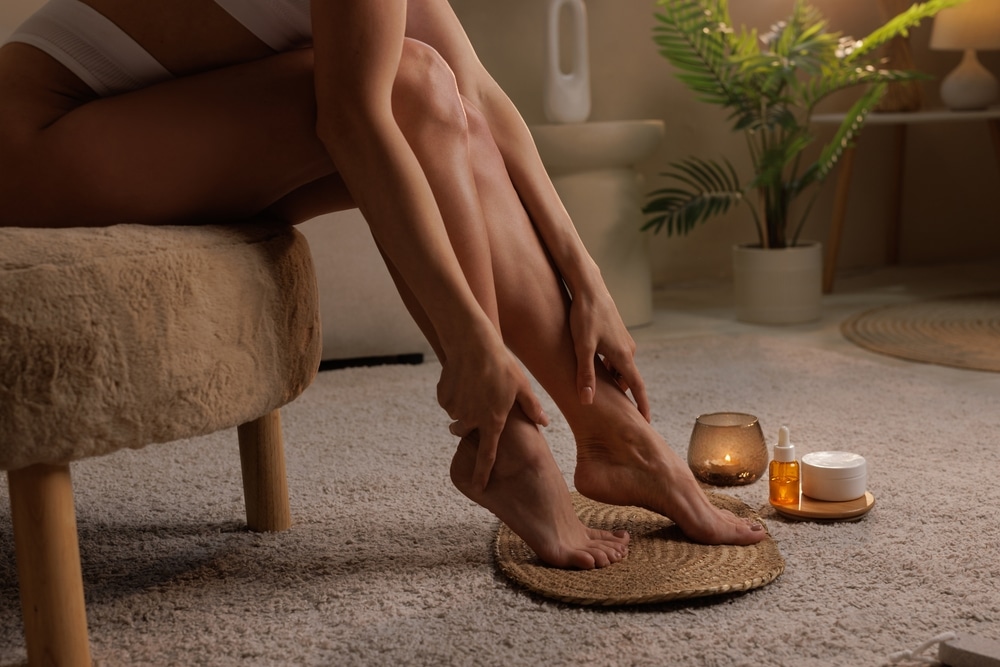
Finally sitting down to nurse or just about to drift into sleep, the unsettling urge in your legs can hit you hard. Restless legs syndrome is a familiar struggle for many moms during pregnancy and can linger postpartum, particularly when you’re exhausted and managing non-stop care for your little one. The silver lining? Practical, low-effort habits can often provide significant relief. Below are simple changes you can implement today, including how to time your caffeine and quick stretches that can be done between feedings. While these tips don’t replace professional medical advice, they can help you find comfort as you heal, nourish, and bond with your baby.
1. Book a basic lab check for iron and ferritin
Low iron levels can exacerbate RLS. Pregnancy, childbirth, and breastfeeding often lead to a depletion of these essential nutrients. It’s wise to consult with your clinician about a ferritin, iron panel, and complete blood count. If results indicate low levels, they can guide you on safe ways to supplement while breastfeeding. Usable step: send a quick message via your patient portal—“I’m experiencing postpartum RLS symptoms. Can we check my ferritin and iron?” Reassurance: needing these tests simply shows you’re attentive to your health. Experts emphasize that deficiencies in brain iron can heighten RLS symptoms, and replenishing these stores might ease discomfort.
2. Create a 10-minute “legs-first” wind-down
Establishing small rituals can help signal your nervous system to calm down. Consider this sequence before bed or nap time: gentle calf and hamstring stretches, one minute of ankle circles on each side, followed by a warm shower or using a heating pad on your calves. Conclude with three minutes of slow box breathing. Usable step: set your phone to remind you with a label like “Legs wind-down” 30 minutes before your target bedtime. Reassurance: consistency is more impactful than perfection.
3. Time your caffeine and chocolate
Caffeine from coffee, tea, energy drinks, and even dark chocolate can worsen RLS symptoms if consumed late in the day. Strive to enjoy these in the morning and gradually reduce your intake by early afternoon. If you’re up for nighttime feedings, stick to non-caffeinated beverages after 2 p.m. Usable step: relocate your favorite mug to the breakfast area and swap your evening drink for herbal tea. Reassurance: there’s no need to eliminate your joy—just adjust the timing.
4. Add movement “micro-doses” you can actually keep
Long workout sessions are unlikely to fit into your schedule right now. Instead, infuse short bursts of calming movement for your legs: consider two gentle laps around the hallway after feeds, relaxing pram walks, or five minutes on a stationary bike if it’s available. Exercising earlier in the day tends to aid at nighttime. Usable step: combine a quick 90-second calf stretch with diaper changes. Reassurance: even small, repetitive movements contribute to your well-being.
5. Use temperature and compression to your advantage
Warmth can soothe tight muscles, while coolness may lessen the urge to move. You might enjoy a warm bath, a low-setting heating pad, or using alternating warm and cool packs. Many parents also favor wearing light to moderate compression socks during the day, especially if they’ve been on their feet. Usable step: keep a microwaveable heat wrap close to your nursing chair. Reassurance: adjust based on what feels good for you.
6. Rethink common over-the-counter medicines
Certain antihistamines and cold medicines can aggravate RLS and may affect your milk supply. If you need support for allergies or sleep, consult your clinician or pharmacist for alternatives that are friendly for both RLS and breastfeeding. Usable step: snap photos of medication labels and send them to your provider before starting any new meds. Reassurance: there’s almost always a suitable alternative that aligns with your health needs and feeding plans.
7. Make night feedings more leg-friendly
The stillness that comes with feeding can heighten RLS symptoms. According to the NIH Neurological Institute, RLS symptoms often worsen later in the day, particularly during rest periods—this is why nights can feel especially challenging for moms experiencing RLS. Start by creating a comfortable setup that allows for position changes: consider a footstool for adjusting angles, a small pedal exerciser, or a massage ball to gently roll your foot on. If you’re pumping, try standing for a few minutes during sessions to stretch your calves. Usable step: place a tennis ball under your desk or nursing chair for easy foot rolling. Reassurance: small modifications can greatly enhance your experience.
8. Support your sleep even when nights are choppy
Your RLS symptoms can feel more intense when you’re overtired. Protect your sleep by developing a consistent wind-down routine, ensuring your room is cool and dark, and taking realistic naps when you have help. Reschedule some tasks for the daytime to safeguard the initial part of the night. Usable step: keep a notepad by your bed to jot down racing thoughts before turning off the lights. Reassurance: fragmented nights still contribute to your rest; focus on total hours instead of perfection.
9. Build a medication plan with a clinician who knows postpartum
If your RLS symptoms are severe, consult with a clinician who specializes in postpartum care and lactation. Some prescription RLS medications can reduce milk supply or might not be recommended for breastfeeding mothers, yet others may be suitable given certain circumstances. You deserve personalized care that respects your individual situation. Usable step: request a consultation discussing your feeding goals, symptom intensity, and any lab results. Reassurance: advocating for yourself is a strength, not a burden.
Closing
Experiencing RLS during the postpartum period can feel especially asymmetrical when you are already giving so much. Your feelings are valid, and you are not alone. Gentle movements, timing adjustments, temperature variations, thoughtful sleep strategies, and a quick lab check can all genuinely impact your comfort. Start with a couple of these suggestions that fit within your day, and gradually build from there. Your comfort is essential, and taking care of your legs is an important aspect of nurturing yourself.
References