



















The first instance my son arrived home with lice (and believe me, it wasn’t the last), he was just starting kindergarten. His glorious curls cascaded past his shoulders, a key part of his personality. There was no way I was willing to cut it. Managing those curls—especially while caring for a 6-month-old—felt like trying to bail out a sinking ship with a thimble.
The most frustrating thing? Just before bed, I had carefully washed his hair. He had mentioned itching for days, but with dry scalp being common, I didn’t think much of it. As I lay in bed, the realization struck like a bolt. Grabbing my phone, I tiptoed into his room, moved his hair aside, and shone my flashlight.
What I saw made me gasp. It was a horror show of lice. How did I overlook it earlier? These little nuisances are exceptional at blending in. I woke my husband and sent him to the store at 11 p.m., while I dragged my bewildered son from his slumber to treat him with chemicals half an hour later.
I did everything wrong. I panicked. I spiraled. At one point, I was seriously Googling “can you burn a mattress in a suburban backyard.” Fortunately, the next day, I met a friend who had been in similar shoes. She calmed me down, assuring me it wasn’t as big of a deal as I thought, and definitely didn’t require my house being set ablaze.
Then, it hit him again. This time, I remained composed. I treated. I combed. By the time my daughter brought it home years later, I had become quite experienced. However, I wish I had the advice I’m about to share with you back then. It would have saved me plenty of midnight stress and unnecessary laundry.
Enter Joanna Shu, the CEO of Cartwheel. Her startup is dedicated to creating what she calls a “safer, modern medicine cabinet” for families. Their first product is a lice treatment named Nit Happens (yes, really). Joanna’s approach to lice management is the calm, slightly humorous, and extremely practical perspective I desperately needed that very first night.
I spoke with Joanna about why lice still sends parents into a frenzy, what common mistakes are made, and what we should be doing instead.
Why do we still freak out about lice?
If your initial reaction to discovering lice is one of failure, you’re not alone. This instinct stems from outdated beliefs.
“Lice don’t care if your house is spotless,” Joanna asserts. “They spread through close contact, which occurs all the time among kids at school, camp, sports, and sleepovers. In short, lice are spread by kids simply being kids.”
But why does this stigma persist? Joanna attributes it to generational baggage. Many of us have vivid memories of childhood experiences—being pulled from class, feeling exposed. Some parents endured even harsher treatments: heads shaved or subjected to substances like kerosene. The impact of those experiences lingers.
Additionally, she notes the biological aspect. “We naturally feel disgust towards bugs, a trait rooted in our evolutionary history.” It might be unsettling, but recognizing that initial repulsion is instinctual, rather than proof of poor hygiene, is a valuable starting point.
I can attest: that first time, I felt humiliated. By the third encounter, I was irritated, yes, but mainly just prepared. That shift in mindset means everything.
The case for humor around lice
If you haven’t seen the viral TikTok featuring a Virginia family who held an actual funeral for their child’s deceased lice, go watch it right now. Fresh off a de-lousing, the child wanted to give the lice a ceremonial send-off, and the family went all out.
@hellomorellos the life are in fact DTM and I am in fact at the wake. #parentsoftiktok ♬ original sound – laney morello
Joanna found this endearing too. “It perfectly encapsulates a moment every parent understands: creatively navigating difficult situations to make their kids laugh or conquer fears,” she said.
She knows this firsthand. When her daughter was young, the child was fascinated by “the white car”—an old vehicle devoid of a car seat. To avoid meltdowns, the family would tiptoe past it, whispering, “Shhh, white car is sleeping,” to usher her into the minivan.
Parenting is replete with such absurd adjustments, and embracing the ridiculousness is what helps you through.
Joanna believes this humor-driven strategy resonates because parents are eager for an escape from judgment. “They want honesty, humor, and a sense of community,” she explains.
Absolutely. If I’d had the option for a lice funeral that first night instead of a frantic late-night pharmacy trip, I like to think I would have embraced it.
How to treat lice at home: a step-by-step guide
Bookmark this section because it’s packed with vital information. Here’s Joanna’s go-to advice—having navigated lice treatment several times, I can confirm it works.
Step 1: Take a deep breath.
I know, it is easier said than done when you’ve just stumbled upon an unsettling discovery. However, as Joanna mentions, you’ve likely had lice for two to four weeks before the itching starts. “Taking a few moments before you treat won’t change anything,” she reminds us. You really don’t need to drag your child from their bed at 11 p.m. Don’t do what I did.
Step 2: Learn how to check for lice properly.
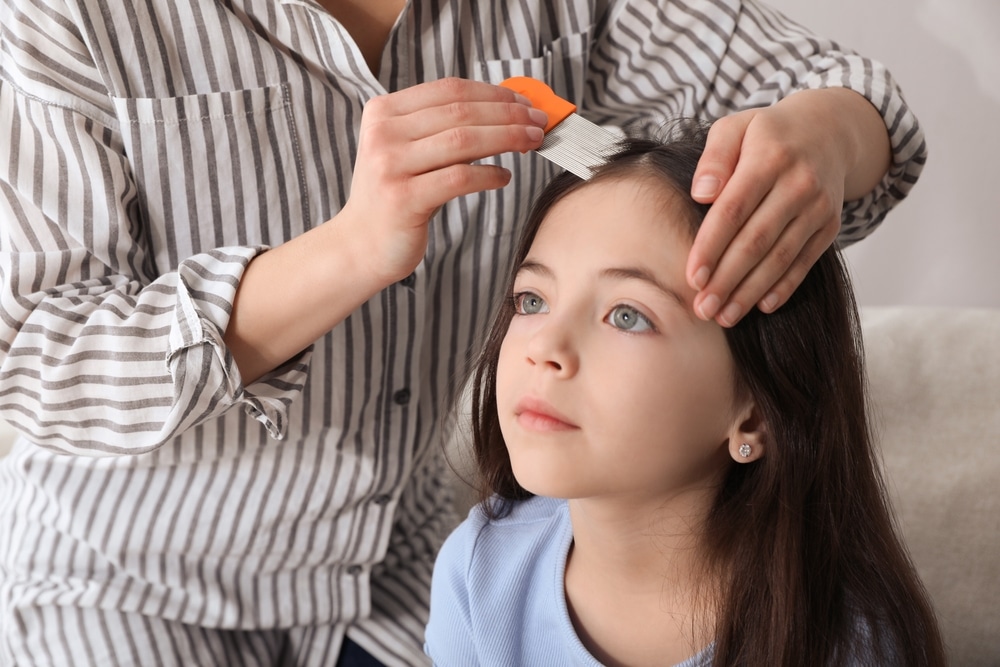
Good lighting and a fine-tooth comb will be your allies in this process. Joanna advises focusing on behind the ears and at the nape of the neck, where lice tend to congregate. You’ll be searching for live lice—tiny, tan-colored, and quick-moving—as well as nits, which are small oval eggs that stick close to the scalp. If you’re unsure about your findings, don’t hesitate to reach out to your pediatrician or school nurse.
Step 3: Choose an effective lice treatment and comb thoroughly.
The essential part of eliminating lice is using an effective treatment combined with thorough combing. Knowing your options is crucial. Traditionally, most over-the-counter lice treatments contained pesticide ingredients like permethrin and pyrethrins. While still available, these may not be suitable due to increasing lice resistance and many parents’ discomfort with applying pesticides to their child’s scalp.
Cartwheel’s Nit Happens treatment adopts a fresh approach. The formula relies on naturally derived oils and mild cosmetic abrasives to dehydrate lice through a physical method rather than a chemical one. By focusing on a mechanical process, it sidesteps the resistance issues that can affect conventional treatments. The kit includes treatment gel, removal shampoo, a professional-grade comb, gloves, and clear, concise instructions—all in one package, so you won’t find yourself making another panicked late-night store run. (Seriously: don’t emulate my experience).
Remember, whichever treatment you opt for, thorough combing is non-negotiable. The treatment kills or immobilizes lice, but combing is essential in physically removing them and their nits from hair. Don’t skip this step.
Step 4: Clean smart, not hard.
This advice would have saved me the most headaches. Joanna stresses: “You do not have to buy special pesticides for fabrics or carpets. That’s completely unnecessary.”
Lice live on the scalp and die off shortly after being removed from a host. In fact, Joanna revealed that in tests, they struggled to keep lice alive outside of their human habitat. Therefore, no need to bag up all the stuffed animals or scrub every surface in your home.
What you should do instead is wash items recently in contact with the head (like pillowcases, hats, hair accessories) in hot water. Rinse brushes and combs in hot water too. For items that can’t be machine washed, simply seal them in a plastic bag for a few days. A quick vacuum of common areas is fine for your peace of mind. And that’s it. “Lice are primarily a scalp issue, not a household issue,” Joanna emphasizes.
What not to do when your kid has lice
The internet is filled with lice remedies, some sensible and others utterly bizarre. Joanna has her opinions.
The mayonnaise method? The vinegar rinse? Listerine treatment? Joanna states most DIY remedies only seem effective due to the accompanying combing, not the substance itself. “These home remedies lack scientific backing and usually complicate the process,” she explains.
The fact is, effective treatment combined with thorough combing is what gets the job done. No condiment masks are necessary.
How to communicate with your child about lice (and others)
If your child is school-age and concerned about their peers’ reactions, this part is particularly important. Joanna advises keeping your tone calm and factual: “This happens sometimes when kids are in close proximity. It’s frustrating, but we’ll handle it.” This ensures children know they haven’t done anything wrong.
The larger parenting insight? How we react to such situations shapes our children’s responses to discomfort. “If we react with panic or shame, children can learn to see normal experiences as embarrassing,” Joanna notes. “Conversely, if we remain calm, we model resilience and problem-solving.”
When it comes to notifying schools or other parents, keep it straightforward and devoid of shame. Joanna suggests saying, “Just a heads-up that we discovered lice and are treating it. You may want to check your child just in case.” Simple and done. No need for an apology tour.
How long does lice treatment take? The follow-up plan that actually works.
While it’s tempting to treat lice once and hope for the best, consistent follow-up is vital. Joanna recommends daily combing with a metal lice comb for the first few days post-treatment, then switching to checks every couple of days over the next week or two. Pay attention to the common spots: behind the ears and at the nape of the neck.
Most over-the-counter treatments suggest a second application a few days after initial treatment to catch any newly emerged lice. Don’t skip this—it’s crucial for breaking the cycle permanently.
If you spot nits after treatment and start to feel alarmed again, Joanna has a comforting tip: check how far the nit is from the scalp. If it’s more than an inch away, it’s likely old or merely an empty casing. Not every nit is active, and seeing one doesn’t necessarily indicate that your treatment failed.
Preventing lice from returning
If you have multiple kids or your child enjoys playdates (which is what we hope), there may be a next time. Joanna suggests keeping long hair secured in braids or ponytails, as loose, long hair increases the chance of picking up lice. Additionally, using a leave-in conditioner or detangler can work as a preventative measure, making it difficult for lice to cling on. “Think about trying to grab a rope coated with conditioner,” she illustrates. That image alone makes it all worth it.
A quick daily check with a metal comb can help catch any signs before they escalate into a full-blown situation.
When to consult a professional for lice removal
Most families can manage lice treatment at home with the right resources, but Joanna makes it clear that seeking professional help is completely valid. If you’re still detecting live lice after a full treatment, if the process feels too daunting (especially for long or thick hair—I see you, curly-haired parents), or if you’re uncertain about what you’re examining, professional lice removal services are available for that reason. “Getting support isn’t a failure,” she reassures. “It’s just another tool in the toolbox.”
The bottom line
“Lice are a parenting inconvenience, not a parenting failure.”
That phrase from Joanna resonates with me, especially because it was what I needed to hear that very first night—standing in my son’s room at 11 p.m., flashlight in hand, fully believing I had ruined everything.
I hadn’t. You’re not alone either. Get a reliable comb, skip the mayonnaise, and perhaps—when it’s all over—consider hosting a mini funeral. Your child might find it absolutely amusing.