













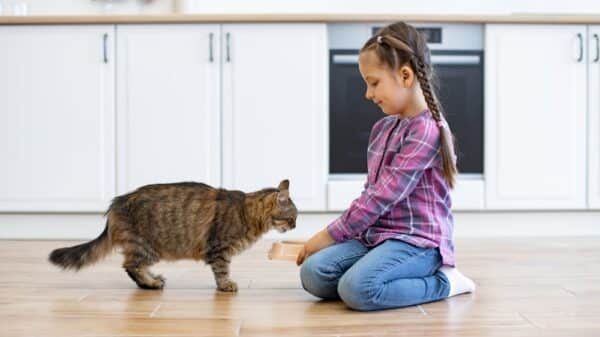






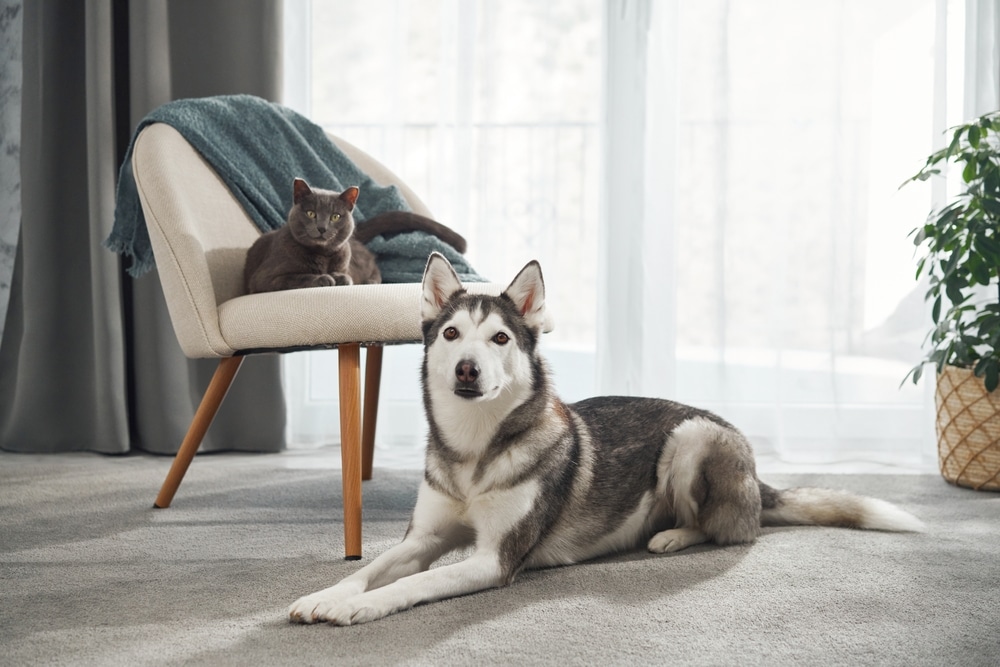
- Aliza Pressman, PhD, suggests parents embrace qualities associated with dogs when their kids are young and shift toward cat-like qualities as children mature.
- Younger children require abundant warmth and guidance to foster feelings of safety and love. As they transition into tweens and teens, giving them space while remaining emotionally present encourages trust and independence.
- Adjusting your parenting style as your child grows can strengthen your bond and facilitate open communication during critical moments.
Think about how you would nurture a 3-year-old. Now, consider what it means to guide a 13-year-old. The differences can be striking. As children grow, parents are in a continuous cycle of change, adapting how they teach, guide, and love their kids.
Whether you’re welcoming your first baby and looking to the future or navigating life with a tween who’s now fully embraced their teenage years, you’ve probably noticed that strategies from the past may no longer work effectively. Have you ever considered that family pets might offer insight into parenting decisions?
A theory known as “cat vs. dog” parenting might provide the guidance you’re seeking, giving you a fresh perspective on your parenting journey.
What Is Cat vs. Dog Parenting?
This concept was popularized by Aliza Pressman, PhD, a developmental psychologist well-known for her podcast, Raising Good Humans. During an appearance on the podcast On Purpose with Jay Shetty, she discussed how parents can gain insights from their pets.
For younger children, she suggests a “dog” parenting style.
“You want to be like a dog: greeting them with excitement and enthusiasm, and being consistently available,” explains Dr. Pressman. “That’s what they need.”
As kids mature, her advice shifts to a more cat-like approach. “You remain present but not smothering. If they’re interested, they can approach you,” she elaborates.
This technique allows older children, even those in their twenties, to feel more at ease sharing their thoughts and feelings.
“When they do share, you don’t react with overwhelming excitement like a dog might; instead, be like a cat who welcomes the conversation,” she advises. “You don’t want them to feel like they need to hide their feelings.”
This approach shows your kids that you’re not going away but also respects their need for space.
How It Compares To Traditional Parenting Styles
While the dog vs. cat approach does not precisely match traditional parenting models—like authoritarian, permissive, authoritative, and uninvolved—psychoanalyst and licensed clinical social worker Anat Joseph notes it aligns closely with the authoritative and permissive styles.
“Dog parenting resembles authoritative parenting, where there’s strong engagement and clear expectations,” Joseph explains. “On the other hand, cat parenting tends to promote independence, aligning with self-reliance advocated in authoritative frameworks.
Many parents are eager to explore their unique parenting style, and the cat vs. dog analogy simplifies this. “Most people have a fondness for animals, making this comparison relatable and helpful for implementing effective parenting strategies,” says Devon Kuntzman, a parenting expert.
Ultimately, both parenting concepts prioritize responding to children in a warm and supportive manner. The real difference lies in how much independence parents allow children to navigate challenges and discover their identities.
Why This Parenting Approach Can Work
Kuntzman asserts that a dog-like, active involvement is crucial for younger children, particularly in their first seven years. “Little ones heavily rely on their caregivers to meet their needs and fears,” she clarifies. “These early years are vital for establishing a strong parent-child bond.”
Joseph agrees, emphasizing the need for a consistent presence, structure, and clear boundaries. “Children feel secure with attentive and directive parents,” she explains. “Such engagement fosters trust and stability.”
For tweens and teens asserting their independence, a cat-like approach may be beneficial, as it allows them some space while still creating an open environment. Kuntzman adds, “This means offering warmth while facilitating their journey toward becoming individuals.”
While the notion of giving your teenager space can feel daunting, it reflects a natural developmental progression from dependency to independence.
Where This Parenting Approach May Fall Short
Integrating the cat vs. dog parenting style can enhance your existing approach or guide your evolution as a parent as your children enter adulthood.
However, be cautious; the cat element may not suit every child or circumstance. For instance, should you suspect your child is facing bullying or grappling with mental health issues, it’s crucial to adopt a more engaged stance, checking in frequently and encouraging openness.
Striking the right balance is essential. The cat approach risks emotional disconnection if taken too far. “To prevent this, remain emotionally engaged even while allowing space,” Joseph suggests. Regular check-ins about their interests and affirming their feelings are vital. “A cat parent communicates but respects boundaries, encouraging children to come to them instead of being overbearing,” she expands.
Even if your child expresses discomfort or pushes you away—complaining about your attention—“our responsibility as parents is to understand their development stages and help them build essential life skills,” notes Kuntzman. “We must ensure they have the support they need, facilitating conversations, even if they are uncomfortable. A successful relationship is a partnership that requires our willingness to nurture the parent-child dynamic as they grow.”