









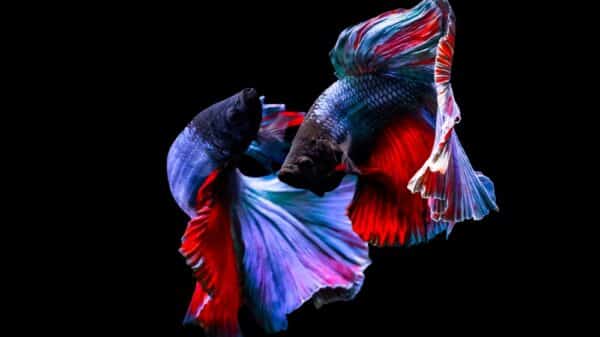










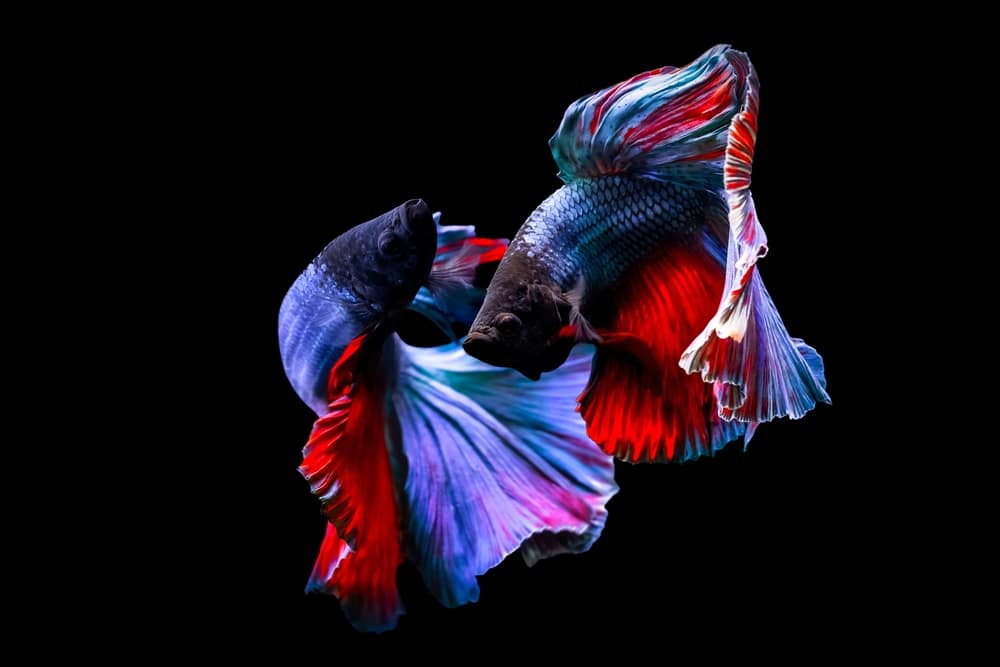
- Betta fish can be enticing pets for families, yet they require more commitment than one might expect.
- Involving children in the care process provides them with valuable lessons in responsibility and empathy.
- Recognizing when it’s time to rehome a fish ensures a compassionate approach to pet ownership.
When it comes to childhood dreams of pet ownership, many kids hope for a sleek, colorful fish. It’s easy to see why Ashley Emanuele, DVM, embraces the challenge of preparing her son for this responsibility when he expressed interest.
“I told him, ‘Santa doesn’t deliver live animals. That’s not how our family operates,’” shared Dr. Emanuele, who practices in Southern Pines, North Carolina.
So on Christmas Day, her son unwrapped a beautiful fish tank, a complete cycling kit to ensure the water was ready, along with a gift card to purchase his very own fish.
When the moment arrived, he chose a striking black crowntail betta fish and named him Ender, inspired by the Minecraft fandom. Dr. Emanuele expressed how rewarding it has been to watch her now 9-year-old son become a diligent caretaker, especially as he tracks the chemical levels of the tank.
“He takes pride in his fish notebook, which is kept right beside the tank,” she noted. “His ownership pride is evident.”
This engagement underscores the substantial commitment betta fish require. Their vibrant colors and flowing fins make them popular choices for aquariums. However, these fish demand much more than a “set it and forget it” approach. They necessitate careful planning, regular maintenance, and consistent adult oversight—considerations parents should make before introducing them into their family.
“Betta fish are not throwaway pets, nor should they be an impulsive choice,” Dr. Emanuele cautioned. “They actually require more preparation than many families anticipate—sometimes even more than that of traditional pets like dogs or cats.”
Why Betta Fish Are So Popular
Betta fish, otherwise known as Siamese fighting fish, originate from Southeast Asia and often thrive in environments like freshwater rice paddies.
While the debate about the pronunciation of their name—bet-tuh or bay-tuh—continues on social media, veterinarians typically prioritize proper care over semantics. Yet, it’s interesting how even experts have their preferences.
“I’m a country boy,” stated Vernard L. Hodges, DVM,, co-owner of Critter Fixer Veterinary Hospital in Georgia. “I call them bay-tuh.”
Families are drawn to bettas due to their beauty and affordability. While rare colors and patterns may fetch hundreds or even thousands of dollars, a typical betta can often be found for under $20 at a local pet store.
“They’re stunning. I once had one as a child,” Dr. Hodges reminisced. “I think I won it at the fair when I was around 13 or 14.”
Reflecting on his childhood, he admits he lacked an understanding of what it truly meant to care for a betta fish. He shares this sentiment with Dr. Emanuele, who also kept a betta during her college years.
“I’m sure my college betta endured quite a bit, as I wasn’t as prepared as I should have been,” she recalled. “However, we have a chance to improve care for these fish now, starting with thorough preparation.”
What Betta Fish Actually Need
Betta fish are frequently displayed in small cups, noticeably stacked against one another, showcasing their eye-catching colors. However, experts warn that this arrangement is hardly ideal for their wellbeing.
“These fish are essentially living in their own waste,” Dr. Emanuele points out. “They’re not in a thriving state [when kept in a small cup]. That is not a sustainable long-term solution.”
Experts recommend at least a 5-gallon tank for a betta fish. The tank’s environment is equally important. If you plan to add decorations, be sure to use materials that won’t harm them; soft silk plants or live plants are better options compared to hard plastics.
“A colleague once likened bettas to swimming with a ball gown,” said Robert Martinez, DVM,, who specializes in aquatic veterinary care. “If they brush against sharp plants, they can easily get their fins caught and torn.”
Betta fish thrive in tropical conditions, leading experts to advise maintaining a water temperature between mid-70 and low-80 degrees Fahrenheit. Adequate filtration is essential to eliminate waste and improve water quality.
Regular water changes of 10% to 25% weekly or biweekly, along with diligent filter care and cleaning of the tank walls, should also be part of your routine.
Lastly, since bettas are carnivores, it’s crucial to provide specialized fish food along with options like bloodworms and brine shrimp to ensure they’re getting the protein-rich diet they need.
Ashley Emanuele, DVM
Betta fish should not be viewed as disposable companions. They require not just care but a commitment. Preparing for their arrival can be more intensive than getting ready for a dog or cat.
— Ashley Emanuele, DVM
Can Betta Fish Have Companions?
Bettas exhibit an intriguing and spirited demeanor, darting around their tanks and engaging with their surroundings. While they can keep a child entertained with their antics, they may not coexist peacefully with other fish.
“They will fight fiercely, often to the death,” Dr. Hodges warned, suggesting that snails could serve as more suitable tank companions alongside bettas.
While female bettas can occasionally share a tank in a setup known as a sorority, Dr. Emanuele cautions that careful planning is essential for their communal living.
“To maintain harmony among multiple females, a tank of at least 25 to 30 gallons with ample hiding spots is necessary,” she pointed out.
What Betta Fish Can Teach Kids
Parents should not shy away from the prospect of having a betta as a household pet, as they offer joy and valuable learning opportunities.
Prior to welcoming Ender into their home, Dr. Emanuele explained that the tank required a process called cycling to allow beneficial bacteria to flourish for effective waste management. Her son participated actively in this process, using the freshwater test kit to log data on the tank’s pH, ammonia, nitrite, and nitrate levels while observing the fascinating chemical changes.
“It was fantastic,” she reflected. “We made graphs, created charts, and engaged in actual chemistry experiments.”
Beyond scientific concepts, caring for a betta fish fosters a sense of routine and accountability. Amy Milburn, who managed a betta rescue from 2021 to 2024, observed how her then-8-year-old daughter deftly handled feeding and cleaning duties for her fish tank.
“Of course, I supervised, but she did exceptionally well,” Milburn recounted. “Don’t simply give a pet to your child and expect them to take care of it independently. Your presence and guidance during the learning phase are essential.”
Caring for betta fish, which can live for three to five years or even longer, can also teach lessons about hygiene. Parents must emphasize proper handwashing during tank maintenance.
Bear in mind, betta fish can be susceptible to a bacterial infection called Mycobacterium, which, though rare, can be transmitted during tank upkeep, especially to younger children or those with compromised immune systems, as noted by Dr. Martinez. Basic precautions—such as covering wounds or wearing gloves—can drastically reduce risks during fish care.
4 Better Fish Options for First-Time Pet Owners
- Mickey Mouse platies. Hardy and friendly freshwater fish that are simple to care for, featuring a charming Mickey Mouse design on their tails.
- Mollies. These lively swimmers can coexist well with similarly sized fish, but do note that females might give birth to numerous fry at once.
- Guppies. Brightly colored with an active demeanor, but they are known for reproducing rapidly.
- Tetras. Colorful and easy-maintenance fish that also make excellent pet options.
Knowing When To Step Back From Betta Ownership
Milburn and the veterinarians emphasize that responsible pet ownership involves recognizing when care is lacking. Like any other type of pet, betta fish can become ill due to factors like subpar water quality or other stressors.
Signs of trouble include changes in appetite or energy levels, according to Dr. Martinez. Another noticeable indicator could be a change in color.
“Sick or stressed fish may show dullness in color or a paler appearance,” he explained.
More significant changes are even clearer, such as developing sores or redness along their fins.
Milburn had to pause her betta fostering efforts when her family dynamics shifted and demanded more from her time. This lesson about recognizing capacity to care for a pet can instill empathy and accountability in children, Dr. Emanuele shared.
If a family is unable to provide the necessary care for a fish, experts advise rehoming through rescue organizations or consulting a fish veterinarian. The American Association of Fish Veterinarians offers a Find a Fish Vet page to connect families with professionals who can assist. Dr. Hodges even suggests donating a betta to a classroom, where collective care may inspire curiosity and possibly future aspirations in fields like veterinary science or marine biology.
Dr. Emanuele concluded, “As parents, we must strive to educate our children on how to care for pets responsibly, which extends to even these small fish. The investment in their care should not dictate the level of attention we give, as our children observe our actions closely.”